What Is Previsualization in Film?
Previsualization—often called previz or previs—is planning how a film, series, commercial, or animation will look and move before full production. Teams use storyboards, animatics, 3D layout, virtual cameras, and temp effects to test coverage, blocking, scale, timing, and editorial rhythm. The goal is cheaper decisions: what to shoot, how to shoot it, and whether the story reads on screen before expensive animation or principal photography.
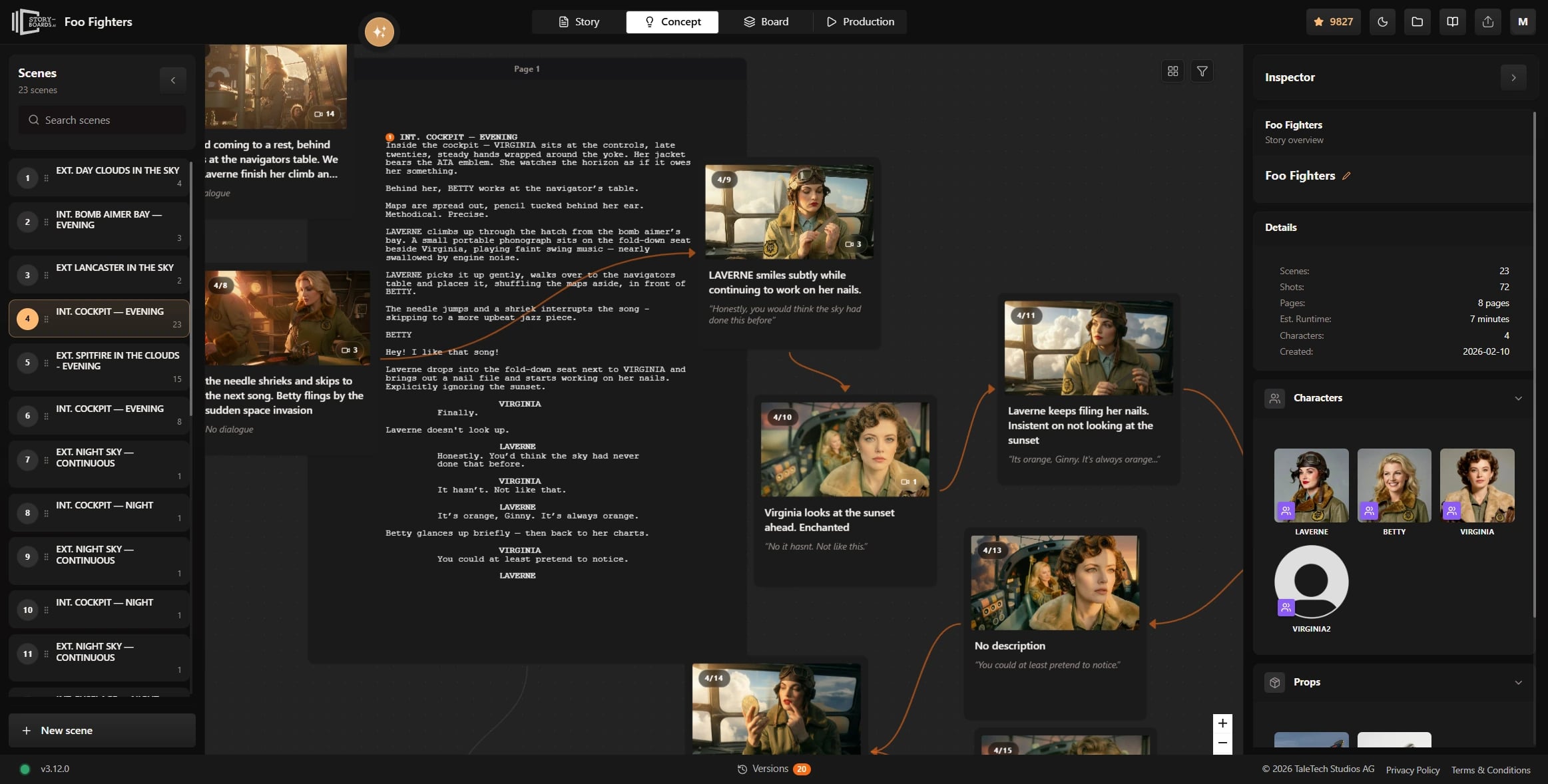
Definition
Previsualization, defined
Previz is not one deliverable. A commercial may need a timed animatic. A VFX-heavy feature may need full 3D previs for stunts and set extensions. An indie AI film may previz with script-linked boards and image-to-video tests from those frames.
Good previz travels downstream: layout, lighting, editorial, sound, VFX, and generation teams inherit approved camera intent instead of reinterpretation.
Timed board previews are covered in our answer on animatic —one common previz format.
Definition
Previsualization is any pre-production method that previews how scenes will appear on screen—through boards, timed animatics, 3D environments, virtual cameras, or AI motion tests—so directors and departments align before final capture or animation.
How it works
How does film previsualization work?
Break the script into scenes and beats
Scene goals, cast, locations, and effects requirements set the scope of what must be previewed.
Choose the previz level
Simple dialogue may need boards and an animatic; complex action may need 3D layout and virtual lenses.
Block camera and action
Coverage, screen direction, eyelines, scale, and geography are tested before sets or CG builds finalize.
Time the sequence
Hold lengths, cuts, and temp audio reveal pacing problems while changes are still inexpensive.
Hand off to production
Approved previz becomes the reference for shoot days, animation layout, VFX plates, or AI generation.
Benefits
Why previz matters
Reduces costly surprises
Coverage gaps, unclear geography, and impossible camera moves surface before crews roll or renders queue.
Aligns large teams
Directors, DP, AD, VFX, editorial, and clients review one timed visual plan.
Improves editorial rhythm
Sequences are judged as stories in time, not as isolated beautiful frames.
Supports AI pipelines
Approved boards and shot metadata become references for generated clips.
Workflow example
Previz for a chase sequence
- 1
Script breakdown
Tag vehicles, stunts, locations, VFX, and cast requirements per scene.
- 2
Board key beats
Wide geography, hero inserts, POV, and reaction shots define coverage.
- 3
Time an animatic
Temp engine sfx and music test whether the chase feels fast or confusing.
- 4
Optional 3D or AI tests
Virtual camera or generated motion validates scale before the final shoot or render pass.
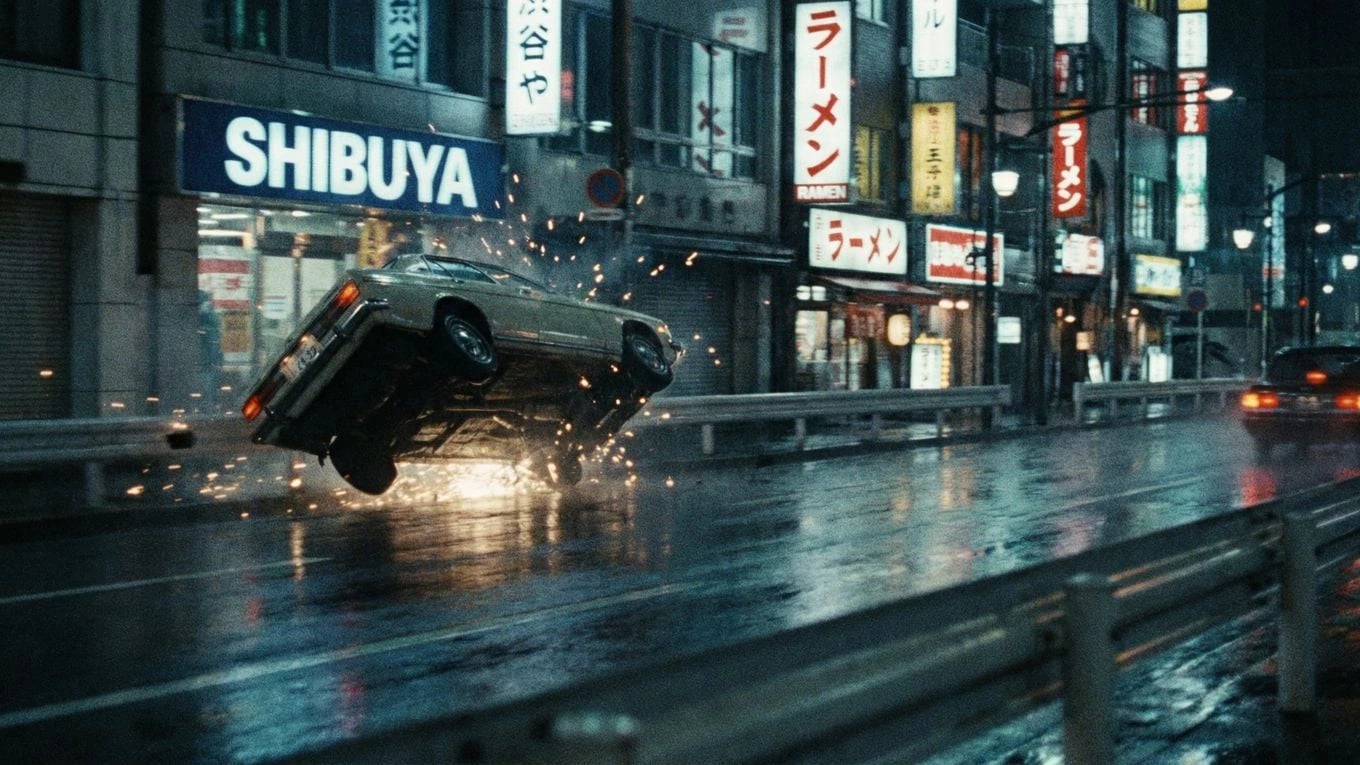
Structured previz starts with a script breakdown that lists what each scene needs.
Comparison
Previz formats compared
Method
Strength
Trade-off
Storyboard
Fast coverage and continuity planning
No timing unless paired with an animatic
Animatic
Pacing and temp audio review
Limited spatial accuracy for complex action
3D previs
Camera, lens, and set geography
Higher cost and specialist workflow
AI motion previz
Early style and performance tests from approved frames
Requires locked references and editorial control
Use cases
Who uses previsualization?
Complex coverage
Plan stunts, VFX shots, and multi-camera action before cast and crew arrive on set.
Layout handoff
Board timing and performance intent guide layout, animation, and lighting departments.
Client sign-off
Preview rhythm, product visibility, and VO timing before production spend.
Generation with intent
Use previz to decide which shots deserve which models, references, and edit context.
Proof
See the scene before you spend
Previsualization is how productions test coverage, camera, and timing before expensive pictures. AI can speed board-to-motion tests, but the structure still matters.
Boards
Still frames that lock coverage
Animatic
Timing and temp sound on those frames
3D / layout
When stunts, sets, or VFX need spatial previz
AI tests
Motion from approved frames, still tied to the shot
FAQ
Frequently asked questions
What is the difference between previz and an animatic?
An animatic is one previz tool: timed storyboard playback with temp audio. Previsualization is the broader discipline that can also include 3D layout, virtual cameras, techvis, and AI motion tests for complex sequences.
Is previsualization only for big-budget films?
No. Indies, commercials, animation teams, and AI filmmakers use lighter previz—boards plus animatics—to avoid expensive rework. The scale changes; the purpose does not.
What is a previsualization artist?
A previz artist builds temporary 3D scenes, cameras, and animations that help directors and departments plan shots. Some teams combine previz with storyboarding and editorial prep depending on project complexity.
Can AI replace traditional previz?
AI accelerates board creation, temp voice, and motion tests, but it does not replace the need for shot planning, continuity, and editorial judgment. The strongest pipelines use AI inside a previz structure, not instead of one.
What software do previz teams use?
Studios may use Maya, Blender, Unreal Engine, dedicated previz packages, or NLEs. Smaller teams often combine storyboard tools with timeline assembly and generation in one workspace.
Explore next
Related answers and features
Previz before you generate or shoot
Plan coverage, timing, and shot context in Ciaro Pro so boards, motion tests, and edit decisions stay connected.
Sua visão, plano a plano.
Comece grátis. Amplie quando a produção estiver pronta.