Animatic vs Storyboard: What's the Difference?
A storyboard is a static blueprint of sequential sketches that plans framing, composition, and visual narrative. An animatic is that same storyboard placed onto a timed video timeline—usually with temporary dialogue, music, or sound effects—so the team can judge pacing, rhythm, and how temp audio fits the cuts. Storyboards answer what each shot looks like; animatics answer how long the scene takes and how it feels in motion.
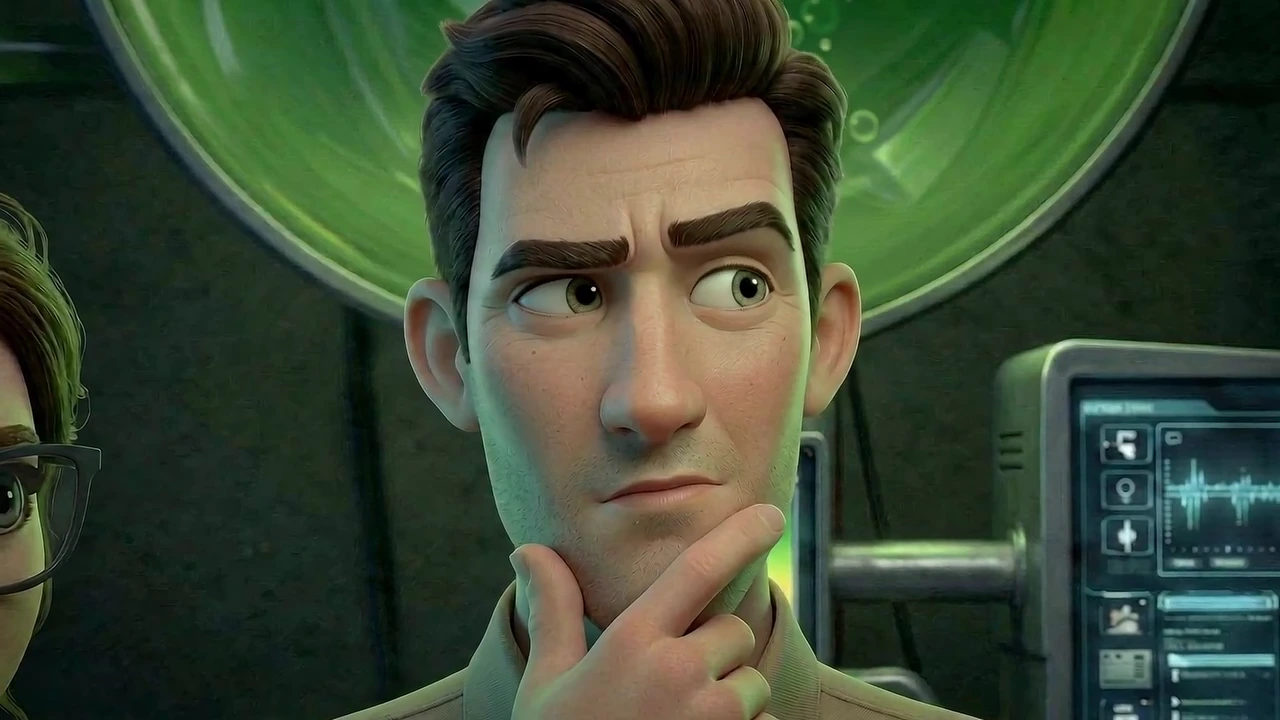
Definition
Storyboard and animatic, side by side
In film, animation, commercials, and game cinematics, teams almost always board first. The animatic comes next when stakeholders need to feel length, cuts, and temp sound before layout, animation, VFX, or a live-action shoot.
Neither format is final picture. Both are decision tools. The storyboard locks coverage and continuity notes; the animatic locks editorial intent so expensive production does not guess hold lengths or scene rhythm.
For a focused definition of what an animatic is —including how AI pipelines use timed boards—see the dedicated answer.
Definition
The difference is format plus time: a storyboard is still panels for shot design; an animatic is those panels edited with duration, transitions, and usually scratch audio for pacing review.
How it works
How do boards become animatics?
The pipeline is sequential: design stills, then add time and sound, then review as a cut.
Draw or generate the storyboard
Each beat becomes a panel with camera notes, action, and dialogue cues—framing and coverage first.
Approve shot design
Directors and department leads confirm screen direction, inserts, and continuity while frames are still cheap to redraw.
Place panels on a timeline
Hold lengths, dissolves, and cuts turn the static deck into a paced sequence you can scrub and play.
Lay scratch audio
Temp VO, music, and SFX reveal whether lines and emotion fit the available screen time.
Iterate before production
Reorder shots, stretch holds, or replace panels—still far cheaper than fixing timing after animation or principal photography.
Benefits
Why the distinction matters
Ask the right review question
Board reviews catch framing and coverage. Animatic reviews catch pacing, dead air, and audio fit.
Save production cost
Timing mistakes surface in a rough cut of stills instead of after weeks of animation or a shoot day.
Align stakeholders
Clients and producers often misread static boards. A timed pass with temp sound creates shared expectations.
Guide editorial and sound
Approved animatics hand off shot order, approximate durations, and temp cues to layout, edit, and audio.
Bridge to AI motion tests
Once timing is locked, approved frames can become image-to-video tests without rewriting the cut.
Workflow example
Same scene, two review stages
A dialogue scene shows why both formats exist—and why one does not replace the other.
- 1
Storyboard the coverage
Wide, over-shoulder, close-up, and insert panels define who is on screen and how the conversation is covered.
- 2
Sign off on framing
The board deck answers composition and continuity before anyone debates how long each shot lasts.
- 3
Build the animatic
Panels get hold lengths; scratch dialogue and temp music show whether reactions and pauses land.
- 4
Approve pacing, then produce
Only after the timed pass feels right do layout, animation, AI motion, or live-action shooting proceed.
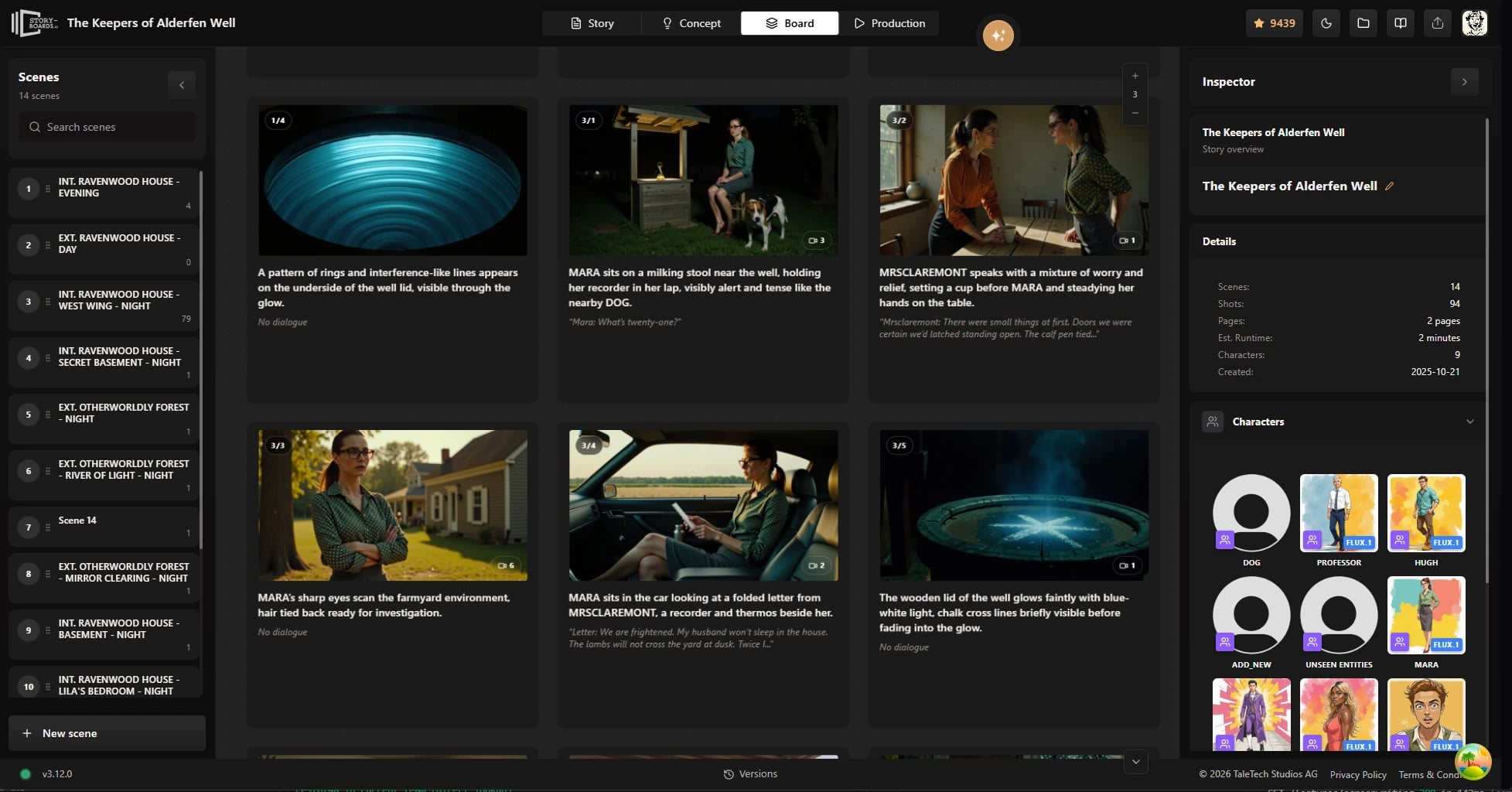
If you still need the frames, start with script to storyboard before timing anything.
Comparison
Animatic vs storyboard by capability
Use this table when you need a citation-ready split across format, timing, audio, and purpose.
Capability
Animatic
Storyboard
Format
Timed video of sequential panels (or light panel moves)
Static sequential sketches or still frames
Timing
Hold lengths, cuts, and transitions express pacing and rhythm
No inherent duration—order only, not screen time
Audio
Scratch dialogue, temp music, and SFX are standard
Dialogue notes on panels; no synced playback
Purpose
Test pacing, editorial feel, and temp-sound fit before production
Plan framing, composition, coverage, and visual narrative
Typical tools
NLE + boards, Storyboard Pro, Premiere, pipeline timeline tools
Boards apps (e.g. Boords, StudioBinder) or drawing suites
Review question
Does the scene feel right at this length with this sound?
Does each shot show the right framing and continuity?
Use cases
When to use each
Boards first
Lock coverage, camera intent, and continuity notes as stills before anyone debates hold lengths.
Animatic next
Judge scene rhythm, VO fit, and cut points once the deck is approved as a visual plan.
Client pacing sign-off
Agencies often need an animatic so clients hear temp VO against timed product and story beats.
Board → time → generate
Keep storyboard metadata, then time the cut, then run motion tests from approved frames.

Proof
Same frames. Different job.
A storyboard shows what each shot looks like. An animatic shows how the scene feels in time. Both belong in the same production—boards first, then timing, then generation and edit.
Stills
Storyboards lock framing and coverage
Timed
Animatics add duration, cuts, and temp sound
Before spend
Used before animation, VFX, or a shoot
One project
Boards, timing, and timeline stay together in Ciaro Pro
FAQ
Frequently asked questions
What is the difference between a storyboard and an animatic?
A storyboard is a set of still frames that show shot design, framing, and coverage. An animatic places those frames on a timed timeline—usually with scratch audio—so you can judge pacing, rhythm, and how temporary sound fits the cuts. The storyboard answers what each shot looks like; the animatic answers how the scene feels in time.
Are animatics just storyboards?
No. Animatics start from storyboard frames, but they add duration, transitions, and typically temp dialogue or music. A board deck without timing is still a storyboard. Once panels play as an edited sequence for pacing review, that deliverable is an animatic.
What is an animatic in filmmaking?
In filmmaking, an animatic is a pre-visual moving storyboard used before expensive animation, VFX, or live-action shooting. Directors and editors use it to test coverage order, scene length, and temp sound. It sits between static boards and fuller previsualization such as 3D layout or camera previs.
What is the difference between boardomatics and animatics?
Both are timed board-based previews. “Boardomatic” is common in advertising for a commercial cut built from boards or stills with temp VO and music for client approval. “Animatic” is the broader film and animation term for the same idea—timed panels with scratch audio. In practice the formats overlap; naming often follows agency vs studio culture more than a hard technical split.
Do you need an animatic for every project?
Not always. Simple scenes with clear timing may move from approved boards straight into production. Complex dialogue, action, music-driven spots, and animation sequences usually benefit from an animatic because pacing risk is high and fixes later are expensive.
What software is used for animatics vs storyboards?
Storyboards are built in board tools and drawing apps—teams often cite Boords, StudioBinder, or studio drawing pipelines. Animatics are assembled in NLEs or storyboard packages with timelines (for example Adobe Premiere, Toon Boom Storyboard Pro). Connected film platforms keep script context attached as frames move from board view into timed playback and motion tests.
Explore next
Related answers and features
Storyboards and animatics sit between script and full production.
Board the shots, then feel the timing
Use Ciaro Pro to move from script-linked storyboards to timed sequences and generated motion tests without losing scene context.
Tu visión. Plano a plano.
Empieza gratis. Escala cuando tu producción esté lista.