What Is an Animatic?
An animatic is a moving storyboard: static drawings or images edited onto a timed video timeline—often with scratch dialogue, temp music, and sound effects—to test pacing, rhythm, and story flow before expensive animation, VFX, or live-action shooting. It is a rough pre-production draft for films, series, commercials, and game cinematics. Directors use animatics to judge coverage, screen direction, and emotional rhythm; AI pipelines also use them as the spine for generated motion tests.
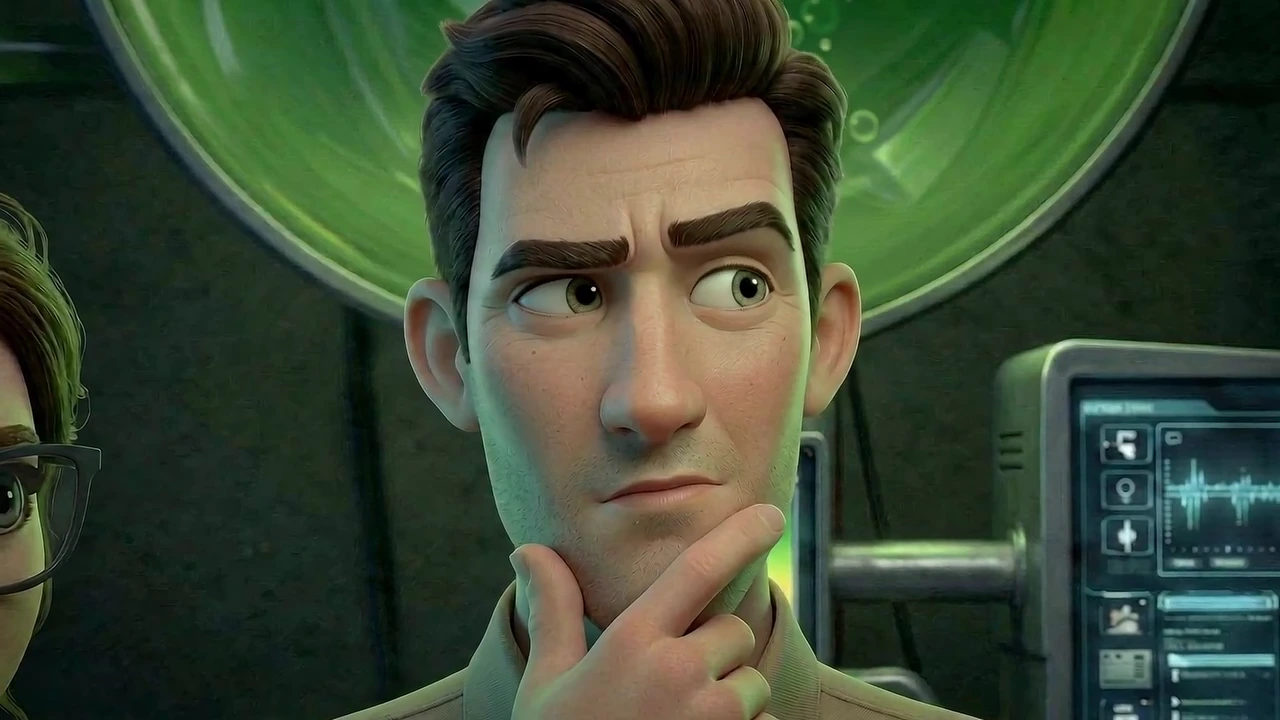
Definition
Animatic, defined
Animatics are common in animation, VFX-heavy live action, commercials, and game cinematics. They are cheaper than full animation or a shoot, but more informative than a static board deck because they introduce time, rhythm, and audio context.
A rough animatic may use sketch frames and placeholder VO. A more polished previs animatic may use 3D layouts, temp effects, or AI-generated motion tests. The goal is decision-making, not final quality.
Animatics are one form of previsualization in film —see how they fit the broader previz stack.
Definition
An animatic is a pre-visual moving storyboard: still frames placed on a timeline with duration, transitions, and temporary audio so a team can review timing and storytelling before final production.
How it works
How is an animatic made?
Most animatics follow the same production logic: boards first, time second, sound third, review fourth.
Start from storyboard frames
Each beat or shot becomes a panel with camera notes, action, and dialogue references.
Set timing per panel
Hold lengths, cuts, and transitions express pacing—where the scene breathes or accelerates.
Add scratch audio
Temp dialogue, music, and SFX reveal whether the scene reads clearly without final performances.
Review with stakeholders
Directors, editors, clients, or department heads approve coverage, reorder shots, or flag continuity issues.
Iterate before production
Revised boards, new timing, or replaced panels are cheaper now than after animation or principal photography.
Benefits
Why teams use animatics
Test pacing early
Timing problems show up in minutes, not after weeks of animation or a costly shoot day.
Align stakeholders
Producers, clients, and creatives share one timed reference instead of interpreting static boards differently.
Validate coverage
Missing inserts, awkward screen direction, or weak reaction shots surface before production locks.
Guide downstream departments
Layout, animation, VFX, sound, and editorial inherit approved rhythm and shot order.
Bridge to AI motion tests
Approved frames can become image-to-video tests while the edit structure stays intact.
Workflow example
From board panel to timed preview
A dialogue scene becomes an animatic when frames, duration, and scratch audio work together.
- 1
Board the scene
Wide, over-shoulder, close-up, and insert panels cover the conversation with clear screen direction.
- 2
Time the cuts
Each panel gets a hold length; pauses and reactions are as important as line delivery.
- 3
Lay temp dialogue
Scratch VO or recorded guide tracks show whether lines land in the available screen time.
- 4
Review as a sequence
The team watches the full scene, not isolated frames, and notes pacing or clarity fixes.
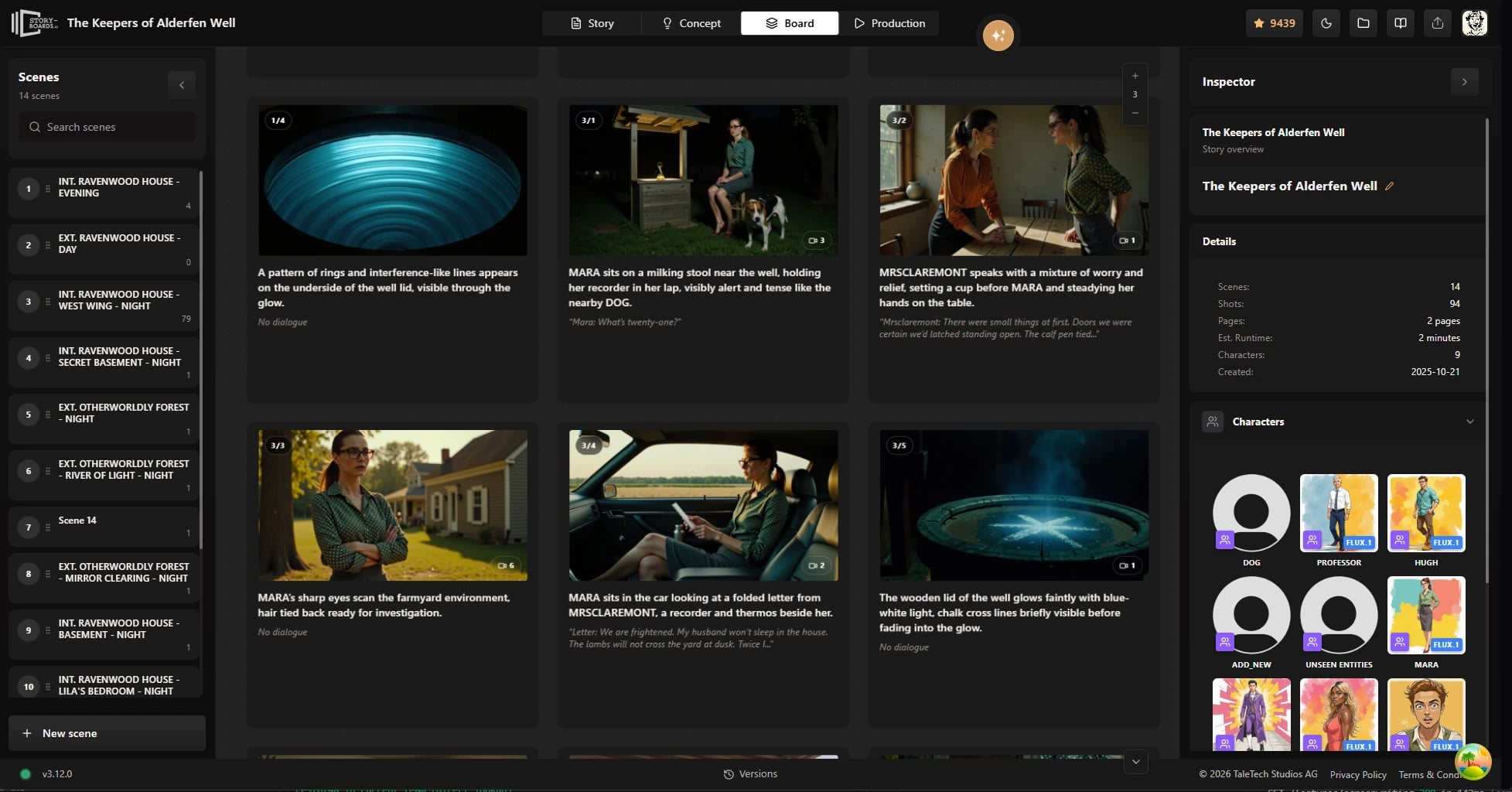
If the scene is not boarded yet, start with script to storyboard before timing frames.
Comparison
Animatic vs storyboard vs previs
These terms overlap, but they answer different review questions.
Format
Best for
Typical limitation
Storyboard
Shot design, coverage, continuity notes
No inherent timing or audio
Animatic
Pacing, rhythm, temp audio, editorial intent
Still limited motion unless panels are animated
3D previs
Camera blocking, lens, set geography, complex action
Higher cost and longer turnaround
AI motion test
Early performance, style, and continuity checks from approved frames
Not a substitute for locked editorial structure
Use cases
When do you need an animatic?
Board timing before layout
Layout and animation departments inherit approved scene rhythm instead of guessing hold lengths.
Client approval
Agencies preview a spot's story beats and VO timing before shoot or CG production.
Action and scale planning
Complex sequences are timed against temp FX cues before set extensions or CG builds.
Board-to-motion bridge
Timed boards become the spine for generated clip tests, lip sync, and timeline assembly.

Proof
Timed boards before expensive pictures
An animatic is a moving storyboard: the same frames, now with duration and usually scratch audio. Directors use it to judge pacing before animation, VFX, or a live-action day.
Timed
Panels play as an edited sequence
Temp sound
Scratch dialogue or music to test rhythm
Previs
Sits between static boards and fuller previz
Board-led
In Ciaro Pro, timing stays tied to the same frames
FAQ
Frequently asked questions
What is the difference between a storyboard and an animatic?
A storyboard is a set of still frames that show shot design and coverage. An animatic is those frames placed on a timeline with duration, transitions, and usually scratch audio. The animatic answers how long the scene takes and how it feels in motion; the storyboard answers what each shot looks like.
Who creates animatics?
In animation, story artists, editors, or dedicated previz artists often build animatics. In live action and commercials, directors, editors, or previs teams assemble them for client or studio review. On small AI-led teams, the same person may board, time, and test generated motion from one workspace.
Do animatics need full animation?
No. Most animatics use still panels with simple moves—pans, zooms, or cuts. The value is timing and clarity, not polished motion. Some teams later replace panels with 3D layout or AI-generated tests while keeping the same edit structure.
What software is used for animatics?
Teams use storyboard tools, NLEs, previz packages, or film pipelines that connect boards to a timeline. The best choice keeps script context, shot metadata, and review notes attached as frames become timed sequences.
Can AI help make animatics?
Yes. AI can accelerate board creation, temp voice, and motion tests from approved frames. The editorial spine—shot order, duration, and scene intent—should still be human-directed so generated clips serve the story instead of replacing structure.
Is an animatic the same as previsualization?
An animatic is a type of previsualization focused on timed storyboard playback. Previsualization also includes 3D layout, virtual camera, and technical blocking for complex shoots. Many productions use both: animatics for pacing, previs for geography and camera mechanics.
How do you make an animatic?
Start from approved storyboard panels, place each shot on a timeline with hold lengths and cuts, add scratch dialogue or temp music, then review pacing with stakeholders. Iterate boards and timing before layout, animation, or principal photography. Production tools that keep script context attached make this faster than exporting stills into a disconnected NLE.
Explore next
Related answers and features
Animatics sit between storyboards and full production.
Board scenes, then feel the timing
Use Ciaro Pro to move from script-linked storyboards to timed sequences and generated motion tests without losing scene context.
Tu visión. Plano a plano.
Empieza gratis. Escala cuando tu producción esté lista.