What Is Script Breakdown in Film Production?
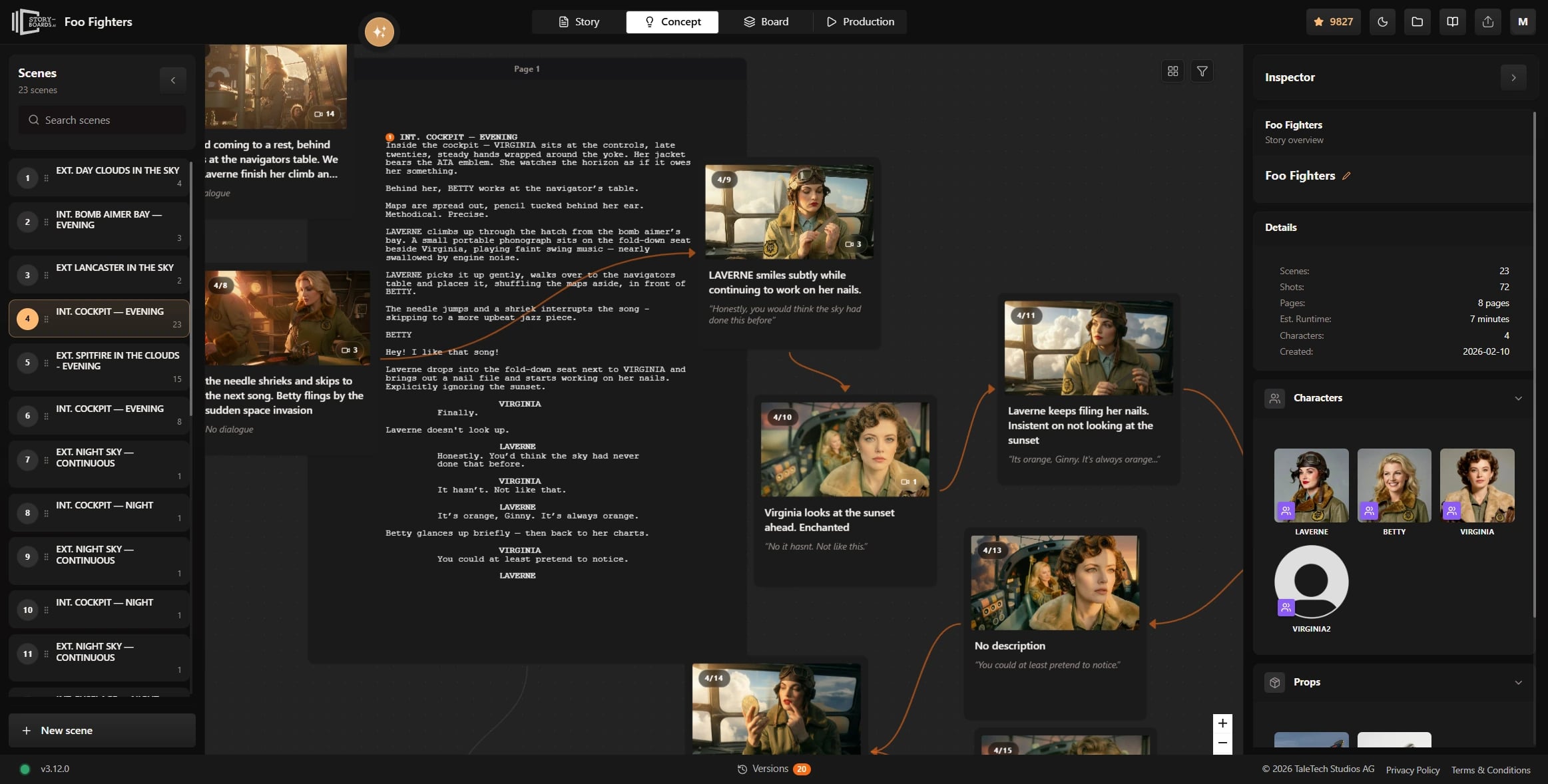
Script breakdown is the pre-production process of reading a screenplay scene by scene and identifying everything needed to produce it: cast, extras, props, wardrobe, makeup, locations, vehicles, stunts, sound, visual effects, special equipment, and scheduling constraints. In an AI filmmaking workflow, the breakdown also becomes structured data for shot planning, storyboards, character continuity, asset libraries, and generated video.
Definition
Script breakdown, defined
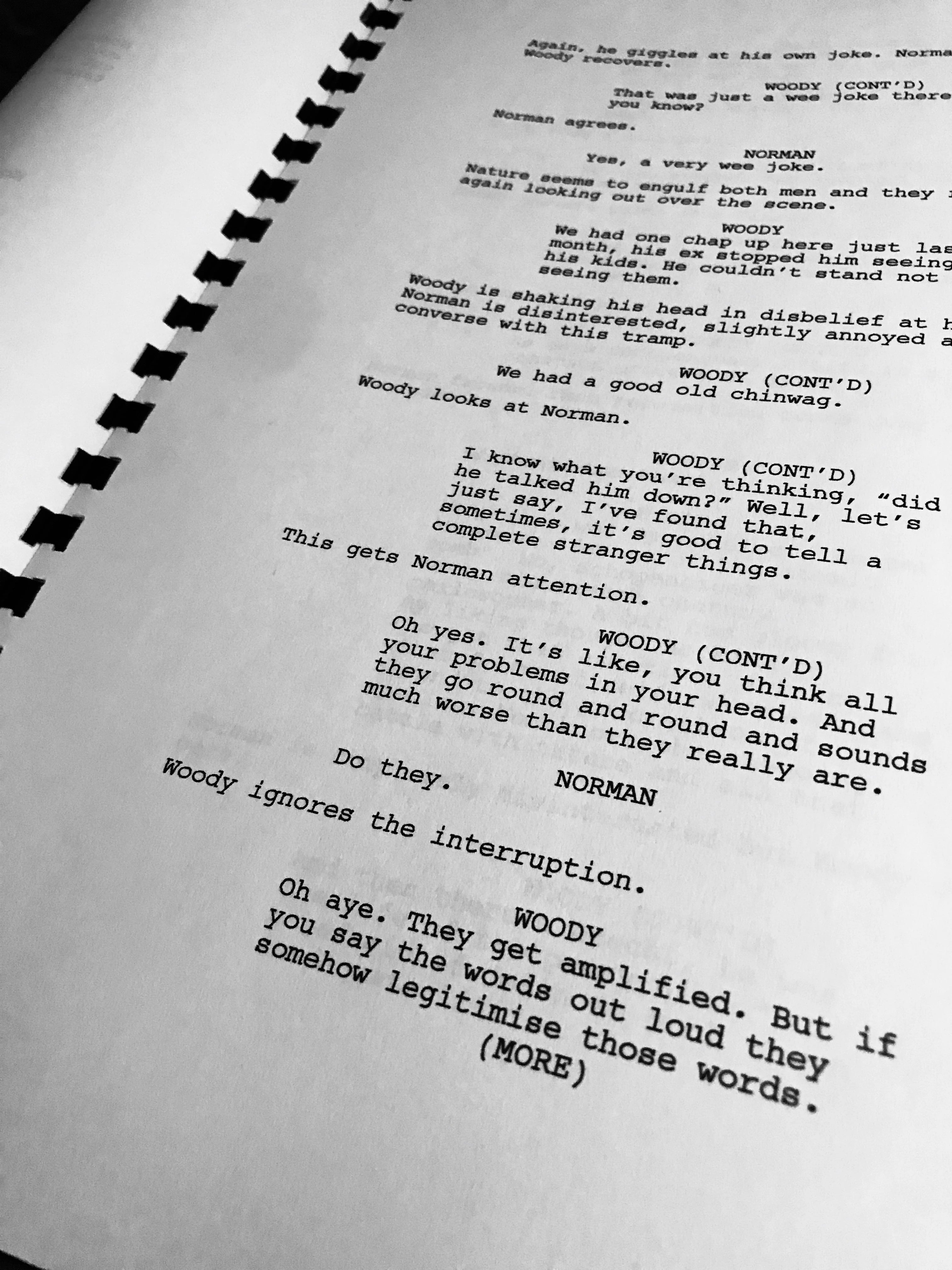
Traditional breakdowns help assistant directors, producers, and department heads understand what each scene requires before production. The result can become breakdown sheets, element lists, schedules, budgets, and call sheets.
For AI filmmaking, the same process becomes even more valuable. Once cast, props, locations, effects, and story beats are structured, they can feed shot planning, storyboard generation, character references, and video generation with less prompt chaos.
See how Ciaro Pro turns script structure into a visual pre-production workflow for shot planning.
Definition
A script breakdown is a scene-by-scene analysis of a screenplay that catalogs every production element required to schedule, budget, plan, shoot, or generate the film.
How it works
How does script breakdown work?
A useful breakdown translates creative writing into production facts that departments and AI tools can act on.
Divide the screenplay into scenes
Use sluglines to capture scene number, interior/exterior, location, time of day, and page count.
Tag production elements
Identify cast, background, props, set dressing, wardrobe, makeup, vehicles, animals, stunts, SFX, VFX, and sound needs.
Catch implied requirements
A wet character implies duplicate wardrobe, makeup continuity, towels, floor protection, and maybe rain effects.
Create breakdown sheets
Each scene gets a summary that department heads can use for prep, budgeting, scheduling, and approvals.
Feed planning and production
The breakdown informs shot lists, storyboards, schedules, budgets, call sheets, and AI generation references.
Benefits
Why script breakdown is still essential
Turns story into logistics
A breakdown shows what the script actually requires in people, places, props, and time.
Prevents missed costs
Hidden needs like stunt safety, duplicate costumes, and VFX shots are surfaced before production.
Improves shot planning
Scene elements become the raw material for coverage, camera choices, and storyboard prompts.
Supports continuity
Wardrobe, props, cast presence, and story day are tracked before shots are generated or filmed.
Speeds department prep
Art, wardrobe, props, VFX, sound, and production can see their responsibilities per scene.
Creates AI-ready structure
Tagged elements help AI tools generate shots from scene context instead of vague prompts.
Workflow example
From screenplay line to production plan
A single scene contains many requirements that are easy to miss without a breakdown.
- 1
Script line
Jake enters a motel room at night, bleeding, carrying a duffel bag, while police sirens sound outside.
- 2
Elements tagged
Cast, motel location, night interior, duffel, prop firearm, wound makeup, siren sound, bed, police-light gag.
- 3
Shot plan created
Wide entry, close-up wound, insert on pistol, reaction, and exterior light effect are planned.
- 4
Boards and generation
Each shot inherits the same cast, prop, location, and continuity requirements.

Once the scene is broken down, move into script to storyboard for visual coverage.
Comparison
Traditional breakdown vs AI-ready breakdown
The film production process is the same foundation, but AI workflows need the data to travel farther downstream.
Need
AI-ready breakdown
Traditional sheet only
Scene elements
Tagged for scheduling and generation
Listed for departments
Characters
Linked to cast references and shot cards
Listed by scene number
Props and locations
Reusable assets in storyboards and video prompts
Department prep list
Visual effects
Planned as generation or post-production requirements
VFX note or cost line
Next step
Shot planning, boards, AI video, timeline
Schedule and budget handoff
Who uses it
Who is responsible for script breakdown?
Professional productions share breakdown responsibility across production leadership and departments.
Scheduling breakdown
Organize scenes by cast, location, day/night, page count, and production constraints.
Budget planning
Translate script elements into cost categories, rental needs, labor, and shoot days.
Specialized lists
Props, wardrobe, art, locations, VFX, stunts, and sound build their own element views.
Structured generation
Use breakdown data to keep shot prompts, references, and scene continuity aligned.
Proof
The script becomes a production list
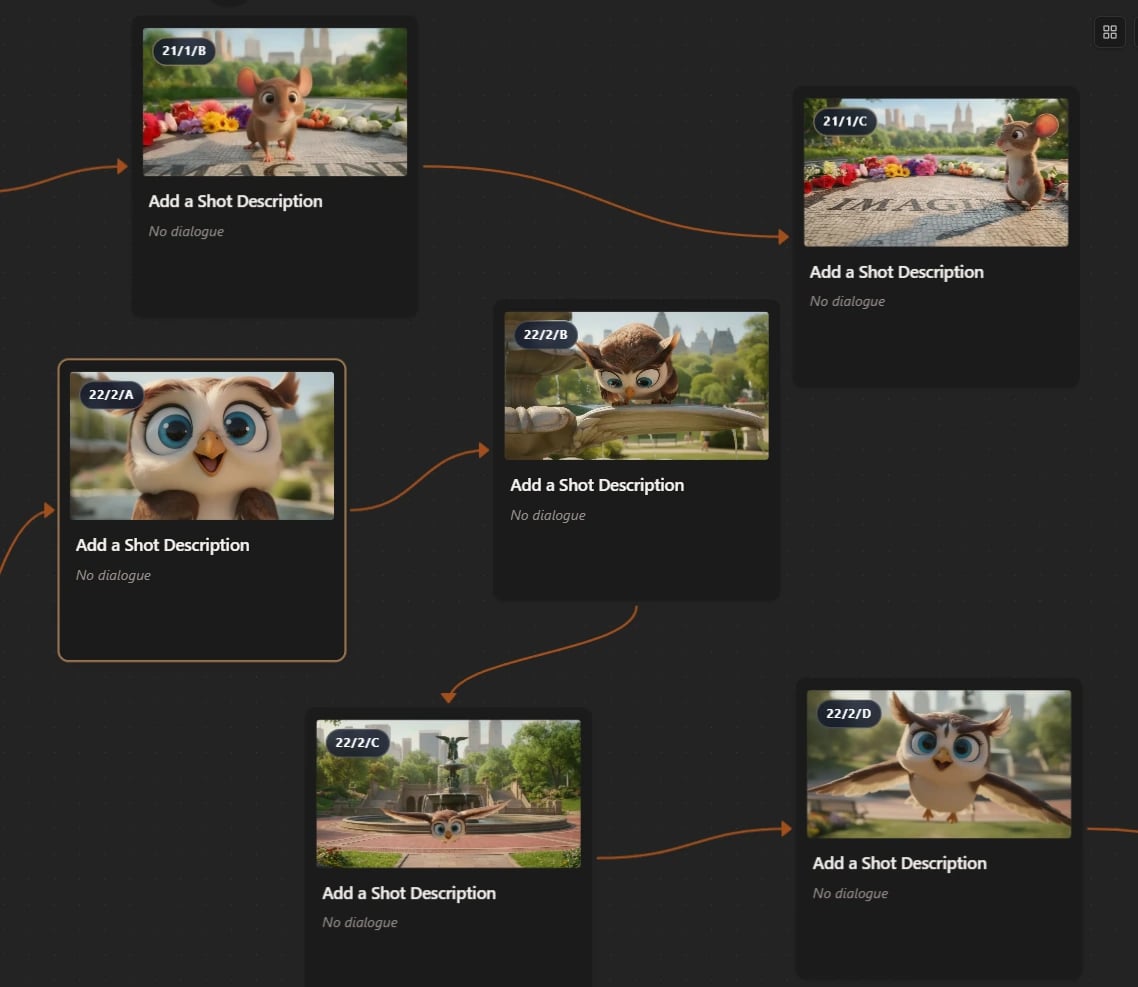
Breakdown turns scenes into requirements: characters, locations, props, VFX, and what has to exist before you board or generate. In Ciaro Pro that list feeds shot planning, storyboards, and video—not a separate spreadsheet.
Scenes
Screenplay units you can plan against
Elements
Cast, locations, props, and effects
Boards
Coverage that follows the breakdown
Video
Generation that still knows the scene
FAQ
Frequently asked questions
What should a script breakdown include?
A script breakdown should include scene number, page count, INT/EXT, day/night, location, cast, extras, props, set dressing, wardrobe, makeup, vehicles, animals, stunts, SFX, VFX, sound, special equipment, and notes for safety, permissions, or continuity.
Who is responsible for a script breakdown?
On professional productions, the 1st Assistant Director often leads the scheduling breakdown, while the line producer or UPM uses it for budgeting. Department heads also create specialized breakdowns for props, wardrobe, locations, VFX, stunts, art, and sound.
What is the difference between a script breakdown and a shot list?
A script breakdown identifies what each scene requires. A shot list decides how the scene will be filmed or generated. The breakdown comes first because it tells the director and production team which cast, props, locations, effects, and constraints each shot must respect.
How does AI script breakdown work?
AI script breakdown tools parse screenplay text and suggest tagged elements such as cast, props, wardrobe, VFX, and locations. Human review is still important because implied needs, safety constraints, continuity, and creative intent often require production judgment.
Why does script breakdown matter for AI filmmaking?
AI video generation works better when the prompt and references are structured. A breakdown turns the screenplay into scene data: who appears, what props matter, where the action happens, what continuity must hold, and which visual elements should feed storyboards or generated clips.
Do you need a locked script before breakdown?
Ideally the script is stable before a full production breakdown. Early drafts can still be broken down for planning or budgeting, but major rewrites will require retagging scenes, props, cast, locations, and effects.
Explore next
Related answers and features
Script breakdown is the bridge between writing and visual production.
Turn screenplay text into production structure
Break scenes into cast, props, locations, shots, boards, and AI-ready production context in Ciaro Pro.