Why pitch decks need a connected path to proof of concept
For agencies and directors, the hardest part of moving from a pitch deck to a proof of concept is not getting ideas onto the page. It is keeping the idea intact once it leaves the deck.
A pitch deck can sell the concept beautifully, but the storyboard, generated clips, shot notes, and edit decisions often end up scattered across different tools, folders, and conversations. One person is refining the look in a deck, another is prompting image generation in a separate app, and someone else is building a rough sequence in an editor with missing context. By the time the team tries to present something reviewable, the original pitch intent has been diluted.
That is the central failure point in many ai previsualization workflow setups today: fragmented context.
AI can produce images and clips quickly, but speed alone does not create a coherent previz process. In fact, faster generation can make the problem worse if teams start making visual assets before they have agreed on script beats, scene intent, character references, camera language, and visual tone. When those decisions are not locked early, every new clip becomes a new branch of interpretation rather than a step toward sequence assembly.
For concept-driven work, especially in commercial and agency pitches, the real advantage of AI is not producing more content. It is keeping the pitch, the plan, and the sequence connected from first concept to client approval.
Why this matters now
AI video and image tools have made it tempting to skip structure and jump straight to generation. But a generated clip that looks good in isolation is not the same thing as a proof of concept. Previz is a communication system. It has to answer practical questions:
- What is this shot doing in the story? - What reference is it based on? - How does it relate to the scene before and after it? - What is fixed, and what is still open for iteration? - What needs client approval before the team spends more time or credits?
Without those answers, teams run into prompt sprawl, asset sprawl, version confusion, and endless approval loops. You get lots of material, but not necessarily a reviewable sequence.
A better AI previsualization workflow
A more reliable workflow starts before generation. It moves from concept to reviewable sequence in a connected path:
1. Concept — define the campaign or story idea and the pitch deck narrative. 2. Script breakdown — identify the beats, scenes, and emotional turns that matter. 3. Visual references — collect mood boards, style references, character notes, and production references in one place. 4. Shot planning — translate the scene into a shot list, coverage plan, and camera language. 5. Storyboard creation — build boards that reflect the intent of the sequence, not just isolated images. 6.
Generated frames and clips — use AI to explore options and accelerate visual development. 7. Review and revision — check continuity, pacing, and whether the output still matches the pitch. 8. Sequence assembly — assemble the boards, clips, and timing into something the client can actually approve.
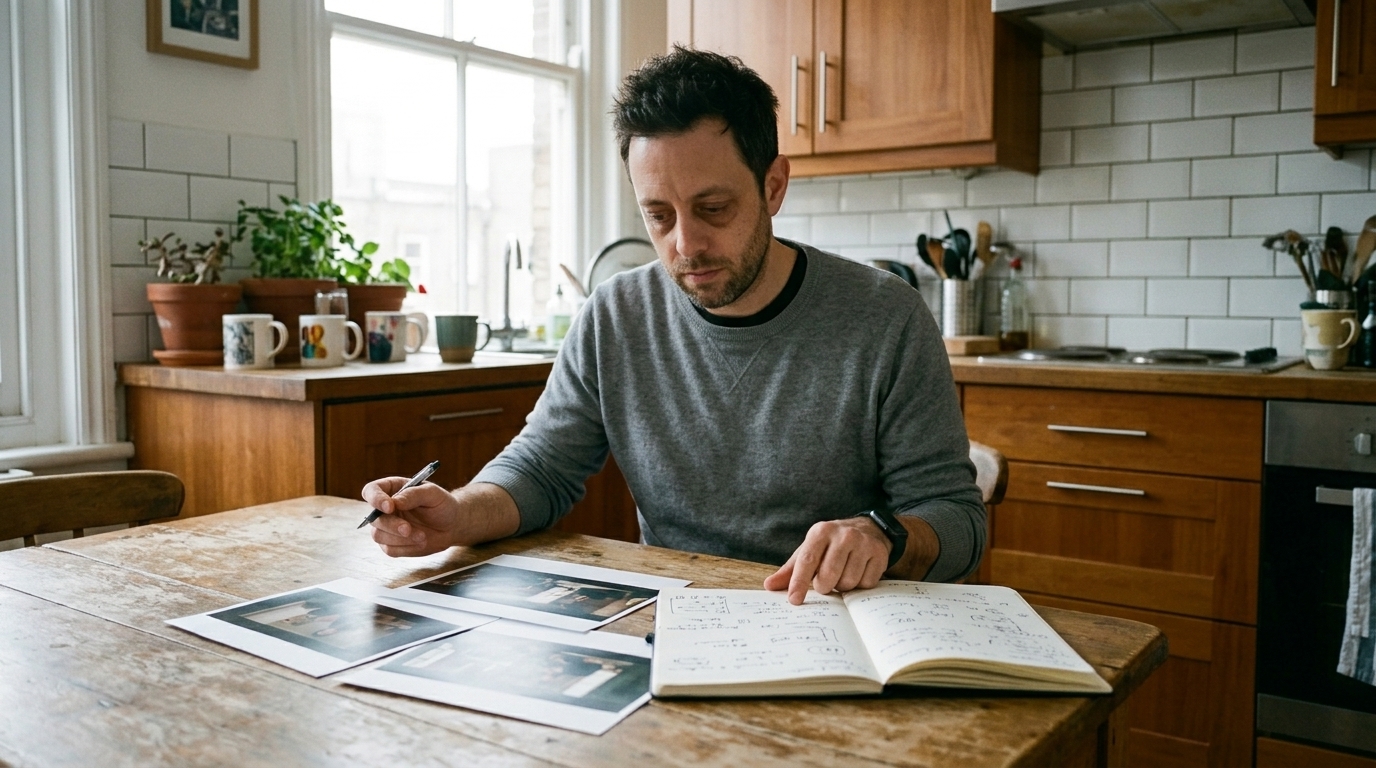
This structure matters because AI is best used as a creative accelerator inside a defined production process. It can help teams explore options quickly, but directors and creative leads still need to define the intent, continuity rules, and approval gates.
What to lock before generating more clips
The most expensive mistakes usually happen when teams generate too early. Before the first serious round of AI generation, lock the elements that give the sequence its spine:
- Script beats: what happens in each moment of the scene - Scene intent: what the scene has to communicate emotionally or narratively - Character references: who needs to stay consistent across shots - Camera language: framing, movement, lens feel, and coverage approach - Visual tone: lighting, palette, texture, and overall look development
What can stay flexible is often the execution detail: specific compositions, alternate transitions, subtle pacing changes, and some visual development options. What should not stay flexible for too long is the core story logic. If that drifts, the team ends up revising a dozen clips to fix a problem that should have been resolved in the script breakdown or storyboard stage.
Where teams lose context
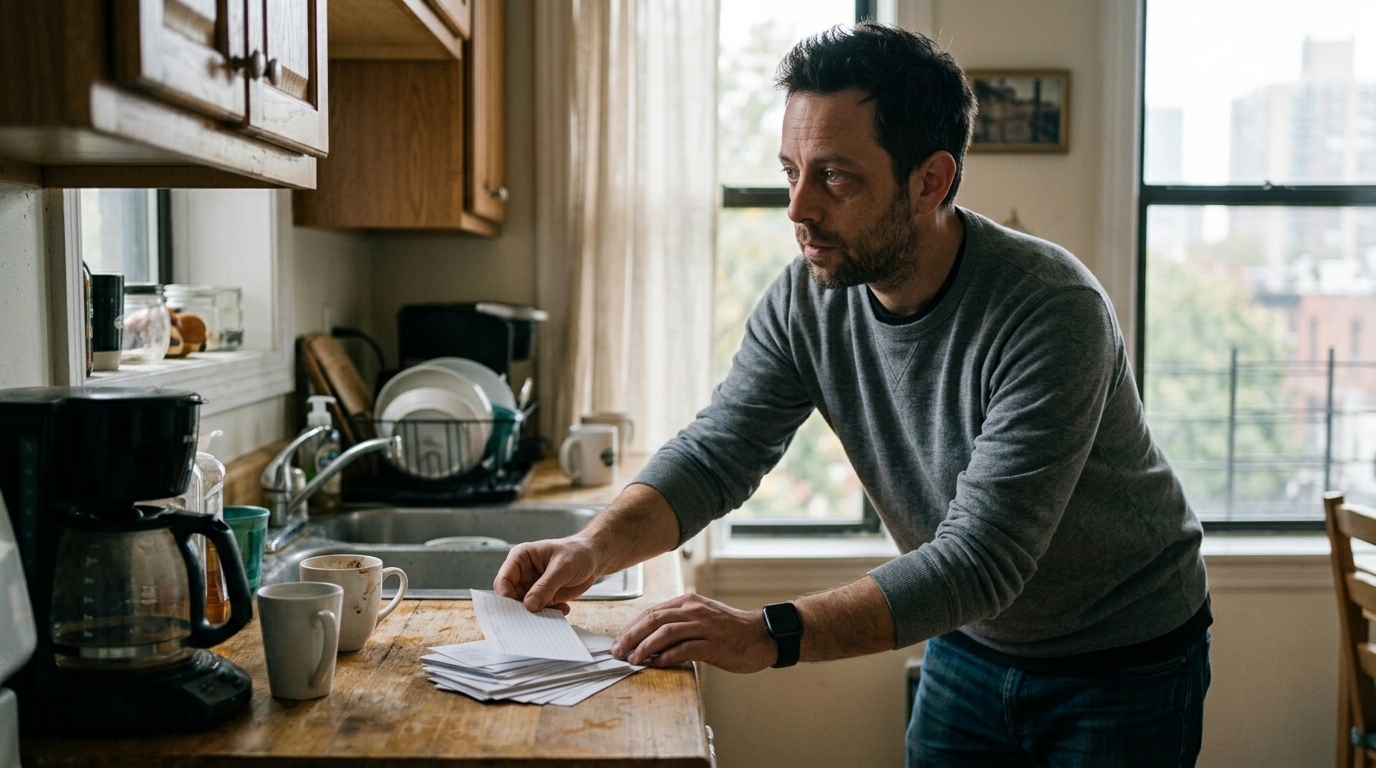
Most workflow failures happen in familiar ways:
- A prompt is rewritten three times and no one remembers which version was approved. - Reference assets live in one place, while boards live in another. - A generated clip looks good, but nobody can trace why it was made. - One shot gets updated, but the adjacent shots are never revised. - The client comments on a frame without seeing how it affects the full sequence.
This is why isolated AI tools often create more work than they remove. They are useful for generation, but weak at continuity. Previsualization needs more than output; it needs structure around the output.
Why connected workflows matter
A connected production workspace helps by linking the pieces of the process: script, storyboard, assets, references, AI generation, review, and editing. That way, each shot belongs to a scene, each scene belongs to the sequence, and every revision can be traced back to the original concept.
That matters for agencies pitching concept-driven work because the approval process is just as important as the visuals themselves. Internal review, client review, iteration gates, and sequence sign-off all depend on shared context. If the team can see why a shot exists, what reference supports it, and how it affects the larger structure, approvals move faster and with less rework.
This is also where tools designed for connected concepting workflows become useful. For example, visual pre-production software for film and animation teams can support script-linked scene planning, storyboard development, and the transition from concept to production-ready decisions without forcing the team to recreate context in every new app.
Ciaro Pro is one example of a system that connects script, storyboard, assets, references, AI generation, review, and editing in a single production workflow. That kind of linked environment is especially valuable when the goal is not just to make clips, but to build a credible proof of concept that can survive client feedback.
The practical approval model
A good previz process should not wait until the end to surface problems. It should build approvals into the workflow:
- Internal review to check story logic, continuity, and creative intent - Client review to confirm tone, pacing, and direction - Iteration gates to prevent random changes from rippling through the sequence - Sequence sign-off once the team agrees the proof of concept is strong enough to move forward
That structure gives AI generation a purpose. Instead of producing endless variations, the team uses AI to move through specific production decisions faster and with more control.
The real takeaway
For agencies and directors, the best AI previsualization workflow is not the one that generates the most clips. It is the one that preserves control, continuity, and approval clarity from pitch deck to proof of concept.

If the pitch, plan, and sequence stay connected, the team can move faster without losing the original vision. That is the difference between scattered AI output and a previz process that actually helps a project get approved.
In practice, that means starting with concept and script breakdown, carrying references and shot planning into storyboards, using AI for visual development only after intent is clear, and assembling the result into a reviewable sequence. Whether a team uses Ciaro Pro or another connected production system, the advantage is the same: fewer broken handoffs, fewer wasted iterations, and a cleaner path to client approval.