
Sep 202612 min read
DaVinci Resolve Workflow for AI-Generated Films
A practical DaVinci Resolve workflow for AI-generated films—from technical ingest and media organization to shot versions, replacements, continuity, color, sound and delivery.
Tutorials, workflow breakdowns, and model deep-dives for screenwriters, storyboard artists, and independent filmmakers.
A practical DaVinci Resolve workflow for AI-generated films—from technical ingest and media organization to shot versions, replacements, continuity, color, sound and delivery.

AI-generated footage creates a versioning and continuity problem that a timeline alone cannot solve. Learn how shot IDs, metadata, approvals, and replacement-ready cuts keep AI film edits stable.

A practical workflow for planning accurate AI tutorial videos before generation—covering learning objectives, visual evidence, references, storyboards, approvals and editorial handoff.
A practical editorial handoff specification for AI-generated shots, covering Shot IDs, statuses, manifests, usable frames, continuity, approvals, proxies and replacements.
AI will expand access to animated content while shrinking production teams, pushing traditional studios to compete on creative judgment, control, governance and distinctive craft.
Compare AI-native, traditional and hybrid video production using total workflow cost, revision risk and cost per approved deliverable.

A practical guide to locking characters, locations, props, camera language, and lighting so generated shots remain coherent across an entire film scene.

A strong script breakdown for AI storyboarding turns vague script pages into boardable beats, protects continuity, and reduces revision loops before generation starts.
A practical framework for benchmarking Seedance 2.5 and other AI video models by accepted footage, failure yield, labor and revision risk.
Turn a screenplay scene into purposeful AI-film coverage with a reusable shot-list template, worked example and pre-generation review checklist.
AI-generated clips become editable shots only when they retain narrative purpose, continuity conditions, approval status, version history, and enough technical room for the cut.
AI can generate strong frames fast, but coherent AI films depend on a disciplined visual development workflow. This guide shows how to lock characters, locations, props, shot rules, and approvals so continuity survives from script to final cut.
One great AI shot is easy to make; keeping 12 shots coherent is where production asset management matters. Learn how to organize characters, locations, props, approvals, and references so AI film sequences stay consistent.
A practical guide to building a visual reference library for AI film production—so characters, locations, props, and style stay consistent across scenes, shots, and revisions.

AI video continuity often fails not at the character level, but at the location level. Learn how to use asset libraries, visual reference boards, master shots, and storyboards to keep scenes coherent.
The biggest approval problem in AI film production is not the prompt — it is the workflow. Learn how to connect script intent, visual references, storyboard revisions, shot approvals, and edit review into one disciplined process.
Learn how to keep AI video scenes coherent across cuts with a practical continuity checklist for character, wardrobe, props, location, lighting, and visual style.
AI film work breaks down when continuity drifts across shots. This guide shows how to build a visual continuity system using scripts, character bibles, reference boards, storyboards, and short test clips.

A storyboard can look polished and still fail after client notes if the workflow is fragmented. Here’s how to build a production-ready storyboard package that survives revisions, protects continuity, and keeps approvals clear.
The biggest failure mode in an AI shot list workflow is starting from prompts instead of the script breakdown. Learn the control layer that keeps AI generation aligned with story and continuity.
AI filmmaking works best when it starts with a script breakdown and moves through shot list, storyboard, and animatic before final generation. This guide explains how a connected workflow reduces waste, protects continuity, and makes approvals faster.
AI does not remove pre-production; it exposes every gap in it. Build an AI-ready package with script breakdowns, shot lists, storyboards, continuity notes, and visual reference boards before generation.
A connected AI previsualization workflow helps agencies and directors preserve story logic, continuity, and approval clarity from pitch deck to proof of concept.
AI video credits disappear fastest when teams generate before the shot is ready. Learn how pre-production, shot planning, continuity rules, and revision control reduce waste and improve results.
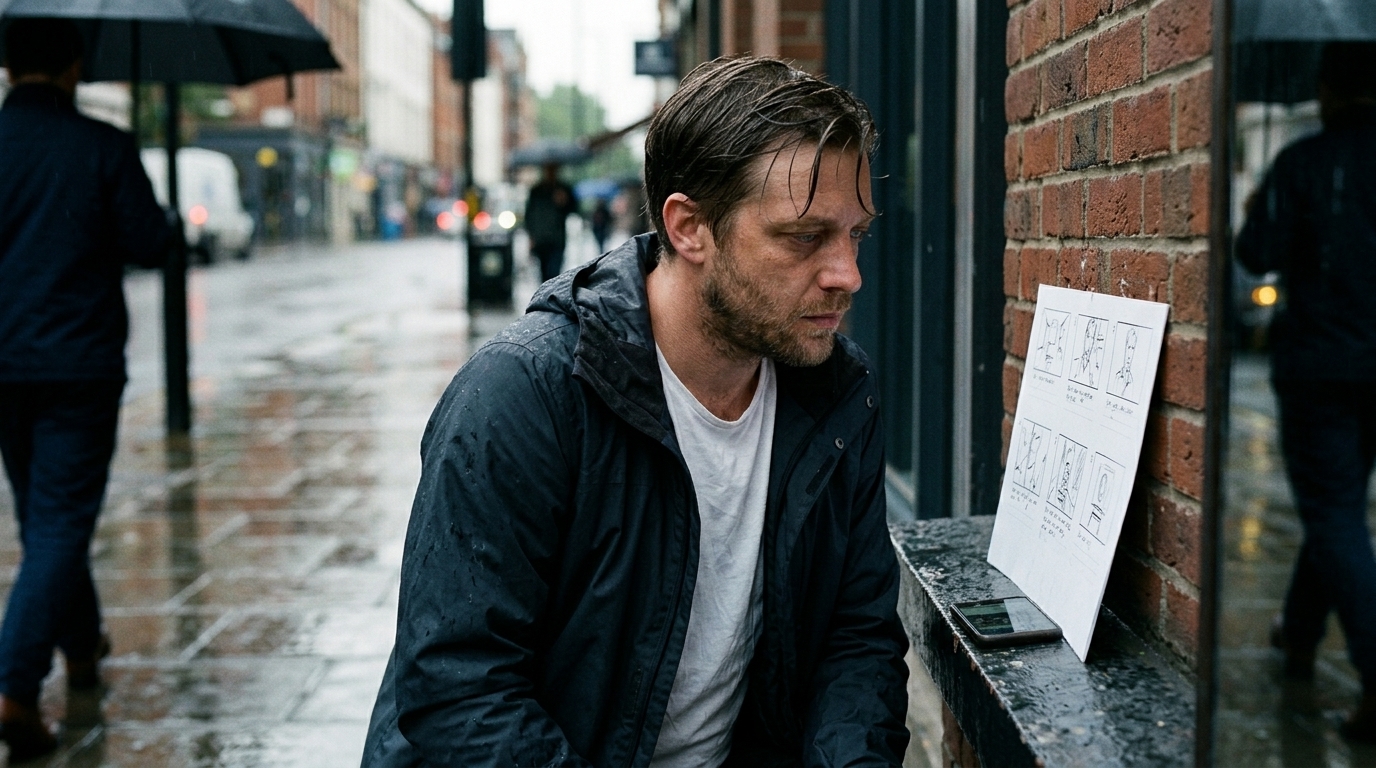
A storyboard can show whether a scene is clear, but only an animatic can show whether it feels right. Learn when to use each, and how AI changes the pre-production workflow.

A character bible for AI film is more than backstory: it is a production control system that locks identity, organizes references, and protects continuity across scenes, angles, and revisions.

Learn how a script breakdown for AI video turns scenes into a clear shot list, protects continuity, and supports storyboard planning in a practical pre production workflow.

AI film budgets are shaped less by model price than by workflow, continuity, labour, and revision. This guide shows how to budget from idea to final sequence.
AI dialogue scenes fail less because of weak models and more because of broken workflows. This guide shows how to build believable performance with an audio-first, continuity-driven AI lip sync video pipeline.
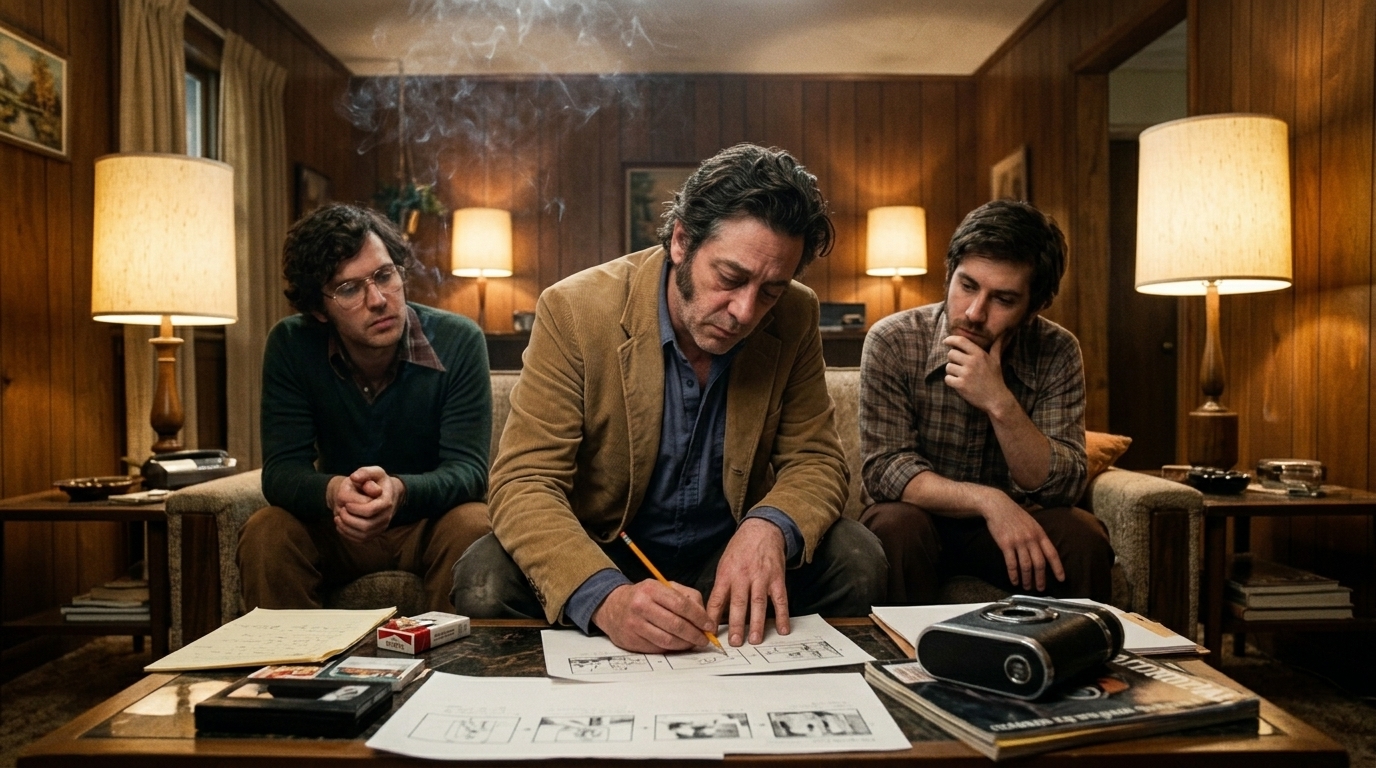
Most AI storyboard tools can generate frames, but few can support a real previs workflow. Here’s what production-ready storyboard-to-video pipelines need in 2026.
Investors do not fund impressive AI—they fund lower perceived risk. Learn how to use a film pitch deck and proof of concept film to show real execution evidence.

Choose the right AI video model by shot type: motion, dialogue, product polish, cinematic realism, reference control, continuity, and local pipeline needs.

AI filmmaking does not fail because prompts are weak. It fails when generated clips cannot be organized into a coherent timeline with continuity, pacing, and story logic.

A five-part production test for turning an impressive AI-generated clip into a coherent, revisable and editable scene.
AI filmmaking no longer fails because images look bad. It fails when directors cannot control shots, continuity, performance, and workflow well enough for real production.
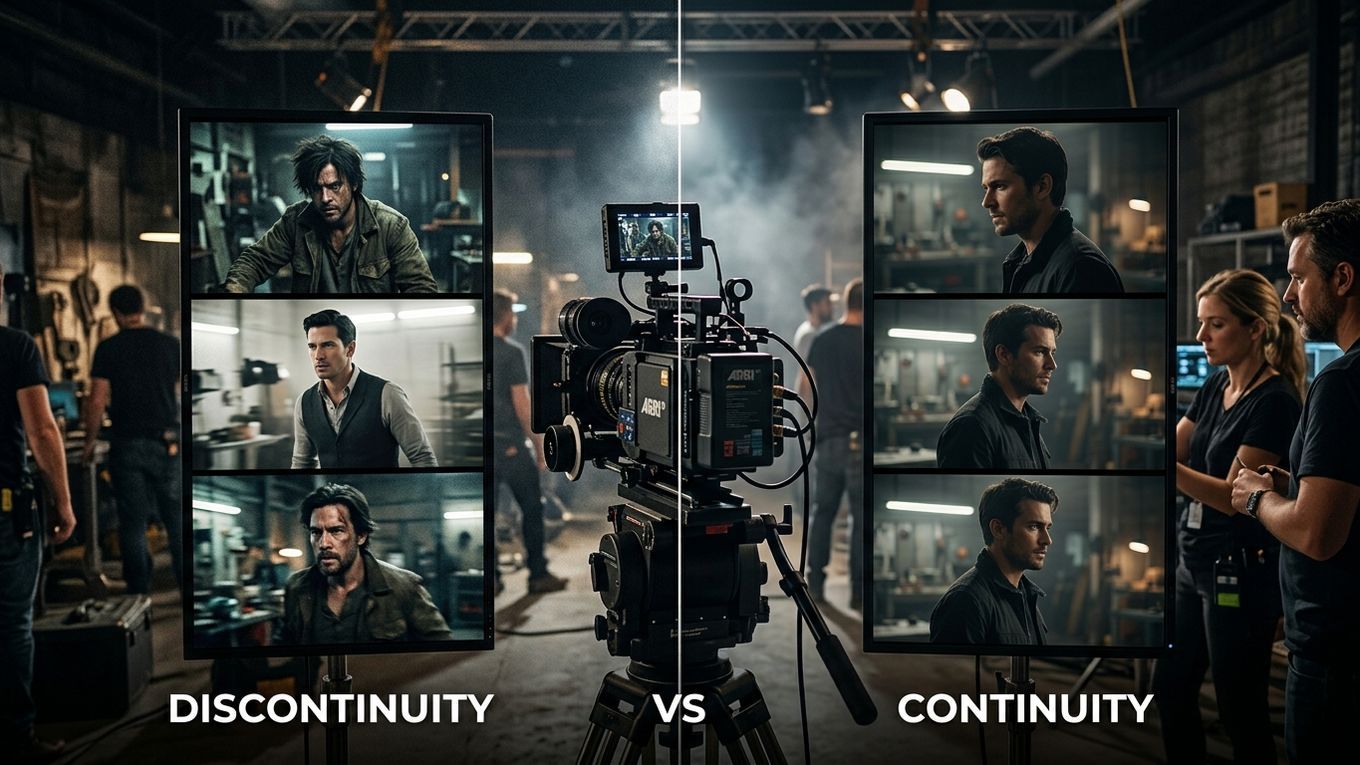
Diagnose weak AI films across art direction, continuity, camera, motion, editing, finishing and sound—and choose the right repair.
A one-person film pipeline breaks when planning, shot continuity, assets, and editing decisions scatter across tools. Here is how indie filmmakers can keep AI production coherent.
Character drift makes AI films feel amateur. Learn how character bibles, locked references, storyboards, and continuity checks keep AI characters consistent.
A practical six-question stress test for checking scene purpose, character motivation, dramatic change and visual storytelling before generation.
AI image generators made visual creation faster, but real filmmaking still depends on story structure, continuity, collaboration, and production control.
A practical 30-day pilot plan for animation studios to test AI workflows using bounded sequences, approval gates and production metrics.

A practical 60-second beat map for turning a striking AI-generated opening into a short film with escalation, coverage and payoff.
An eight-stage AI filmmaking workflow with concrete deliverables and approval gates from story development through generation, editorial and finishing.
Get new tutorials, workflow guides, and model updates delivered to your inbox.
See how Ciaro Pro connects writing, concepting, storyboarding, and production across one platform.
Compare the image and video models discussed in our tutorials and deep-dives.
Match workflow guides and production capabilities to the plan that fits your projects best.