What Is Screenwriting Software for Film Teams?
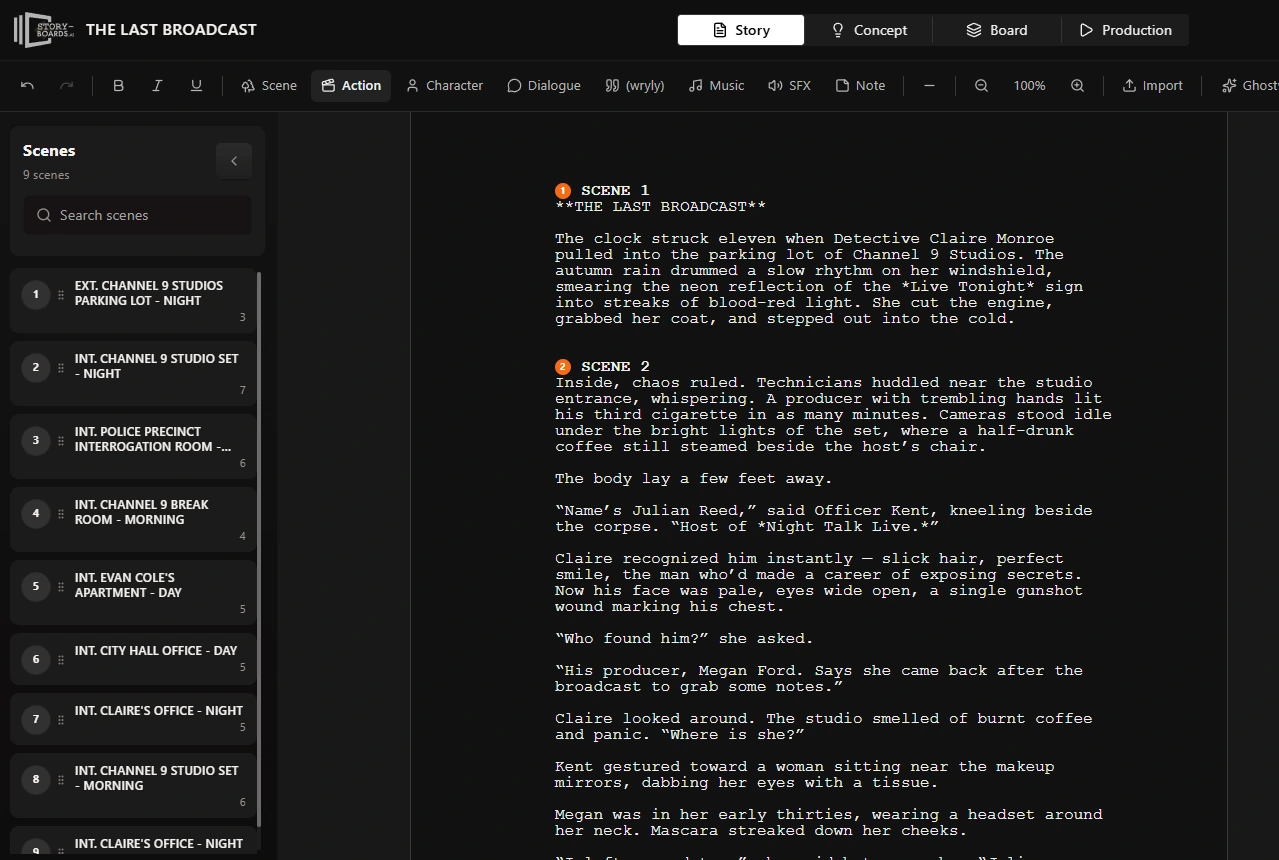
Screenwriting software for film teams is a writing environment for properly formatted screenplays, revisions, collaboration, and production handoff. The best tools do more than make the page look right: they preserve scenes, characters, and structure so the script can feed pre-production. Ciaro Pro treats the screenplay as the source of truth for concepting, storyboards, AI video, and editing.
Definition
Screenwriting software, defined
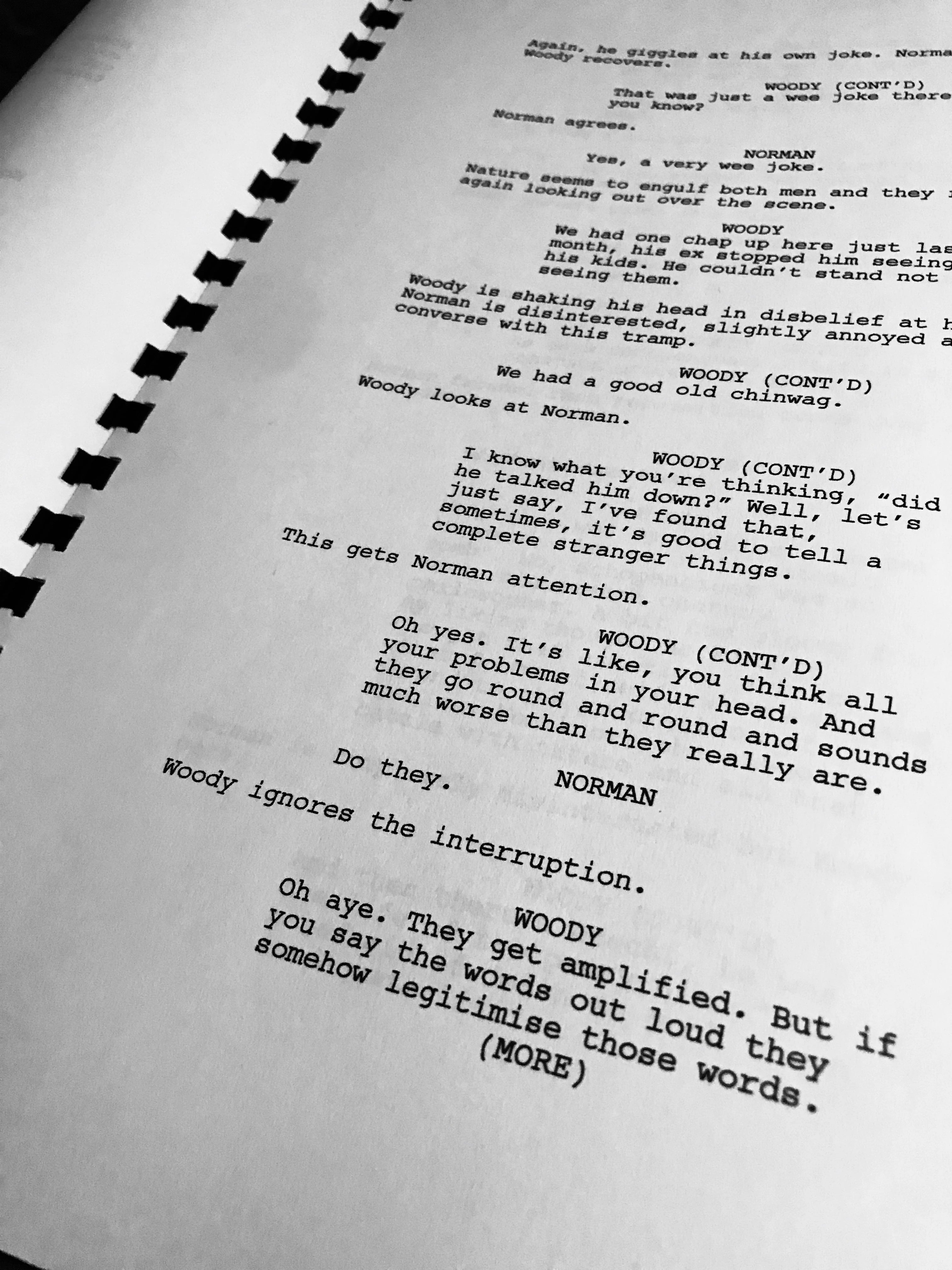
A word processor can type dialogue, but dedicated screenwriting tools understand screenplay elements, pagination, scene headings, revisions, and export formats that producers and collaborators expect.
For modern AI-assisted production, the script should not end its life as a PDF attachment. It should remain structured enough to drive shot planning, character references, storyboards, and generated video.
Explore professional screenwriting software built for film and animation studios.
Definition
Screenwriting software for film is an application that helps writers produce properly formatted screenplays (sluglines, action, dialogue, transitions), manage versions, and—when built for production—pass structured scene data to storyboarding, scheduling, and media workflows.
How it works
How does screenwriting software fit a film workflow?
Professional tools span writing, revision, and handoff to the crew—or to AI previs pipelines.
Write and format
Authors work in standard screenplay elements with automatic pagination and industry layout.
Import and collaborate
Teams import Final Draft or Fountain files, share projects, and track drafts.
Develop with AI support
Assistants help unblock structure, dialogue, and alternatives without replacing authorial decisions.
Link characters and scenes
Cast and locations become production entities referenced downstream.
Hand off to visual production
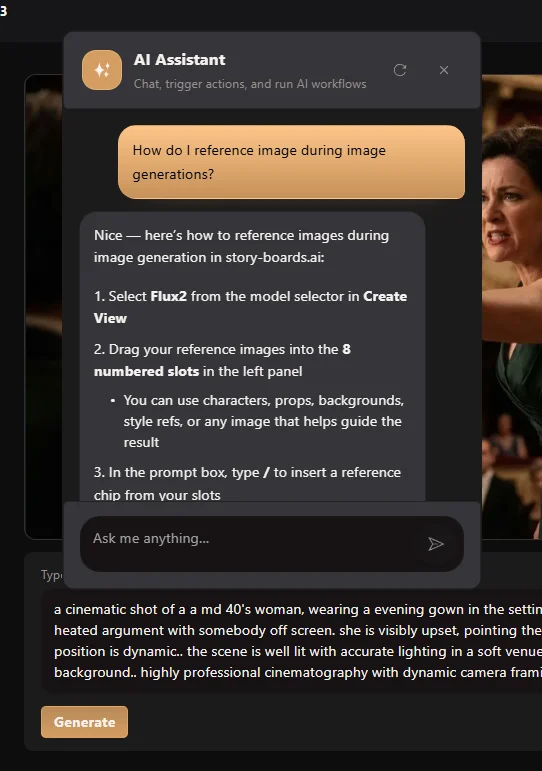
Scenes feed concepting, storyboards, and video generation in the same workspace.
Benefits
Why film teams use dedicated screenwriting software
Correct format out of the box
Sluglines, dialogue margins, and transitions match what readers and production expect.
Faster revision cycles
Scene-level editing and versioning beat reformatting a generic document.
Production handoff
Scripts that connect to boards and video avoid re-typing sluglines later.
Writer-controlled AI
Assistants suggest; the creative team approves every line that ships.
Studio collaboration
Shared workspaces support notes, roles, and review on long-form projects.
One pipeline to picture
The same project moves from script to visual development without tool hopping.
Workflow example
From first draft to visual development
A screenplay becomes actionable production data as soon as scenes are structured in the tool.
- 1
Draft in standard format
Writers complete Act One with proper scene headings and character cues.
- 2
Import or sync
Existing Final Draft projects open inside the production workspace.
- 3
Assistant pass
Optional AI help on dialogue density or structural gaps—writer accepts or rejects.
- 4
Scene handoff
Approved scenes appear in shot planning and storyboard views.
Next step: script to storyboard from the same screenplay.
Comparison
Production screenwriting vs generic writing apps
A clean page is table stakes. Film teams also need format fidelity, revision control, and a script that can move into production.
Capability
Ciaro Pro
Word / generic AI writers
Screenplay format
Native industry elements
Manual templates
Final Draft handoff
Import and structured scenes
PDF only
AI role
Assistant on writer's script
Generic text generation
Visual pipeline
Script → board → video
Stop at text export
Character data
Cast linked to scenes
Names in plain text
Who uses it
Who uses screenwriting software for film?
Writers, showrunners, and production teams that need a spec or shooting script tied to later stages.
Specs and shooting scripts
Format correctly for readers, producers, and unit production.
Episode scripts
Structured scenes feed boards and episodic continuity.
Commercial scripts
Short-form copy moves quickly into visual pitches.
Script-to-screen
One document drives the entire generative pipeline.

Proof
Scripts that stay alive in production
Ciaro Pro keeps screenplay structure connected to storyboards and video so the script remains a working production object, not just a formatted document.
Final Draft
Import path for existing screenplays
1 workspace
Script through storyboard and edit
Industry
Standard screenplay formatting built in
< 4 weeks
Biome Brigade episode production window
FAQ
Frequently asked questions
What is the best screenwriting software for filmmakers?
The best choice depends on the job. Final Draft remains a standard for pure screenplay writing and exchange. Teams that need storyboarding, AI visual development, or production collaboration should also evaluate whether the script can stay connected to characters, scenes, boards, and generated media.
Can AI write a screenplay for me?
AI can help draft alternatives, suggest dialogue, summarize structure, or unblock a scene. For professional work, it should behave like an assistant: useful for exploration, but with the writer or creative team making the final decisions.
Is screenwriting software different from script writing software?
The terms are often used interchangeably. Both refer to tools for screenplays rather than prose or stage play formats—though some products support multiple formats. Film work typically requires motion-picture screenplay layout.
Does screenwriting software work with Final Draft?
Many platforms support Final Draft import or export through .fdx files, though fidelity varies by tool. If your team starts in Final Draft, check whether the imported scenes remain structured enough to drive production tasks rather than becoming static text.
Why connect screenwriting to storyboarding?
Connecting them removes duplicate data entry: sluglines, characters, and beats defined in the script become shot cards automatically. That saves time and reduces mismatches between what was written and what was boarded.
Explore next
Related answers and features
Screenwriting is the first stage of the Ciaro Pro production pipeline.
Write the script where production starts
Format screenplays professionally, collaborate with your team, and hand scenes to storyboards and video in one place.