Can an AI story generator create a compelling short film? A premise test
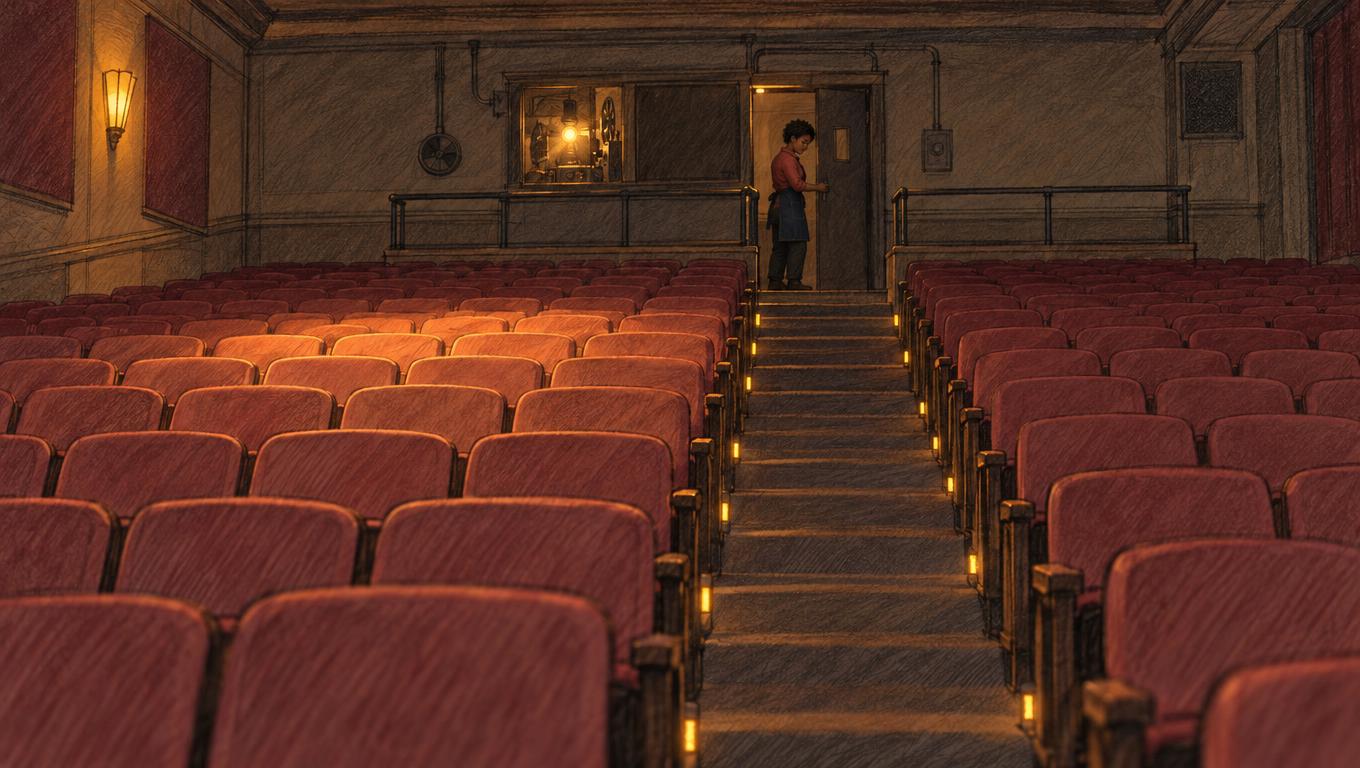
A projectionist spots a tear in the only surviving print of a film featuring her late mother. The audience is waiting for the farewell screening she arranged. If she runs the print, the damaged section could jam in the projector and cause further harm; if she stops, no one will see the film tonight.
This premise is invented for a craft demonstration, not taken from a tested generator. It offers a way to examine a question a writer might face after using an AI story generator: does the setup contain a decision that can drive a scene, or is it simply an arresting situation?
In his article on storytelling with AI, Nathan Baugh discusses using AI to explore story structures, edit for tone and clichés, and develop visual references while retaining human judgment. He does not test a generated short film or establish which rewrites such scripts need. The demonstration below likewise has a narrower purpose: to test where a premise might produce drama, not to establish whether an AI-generated film would move an audience.
Give the projectionist two costly paths
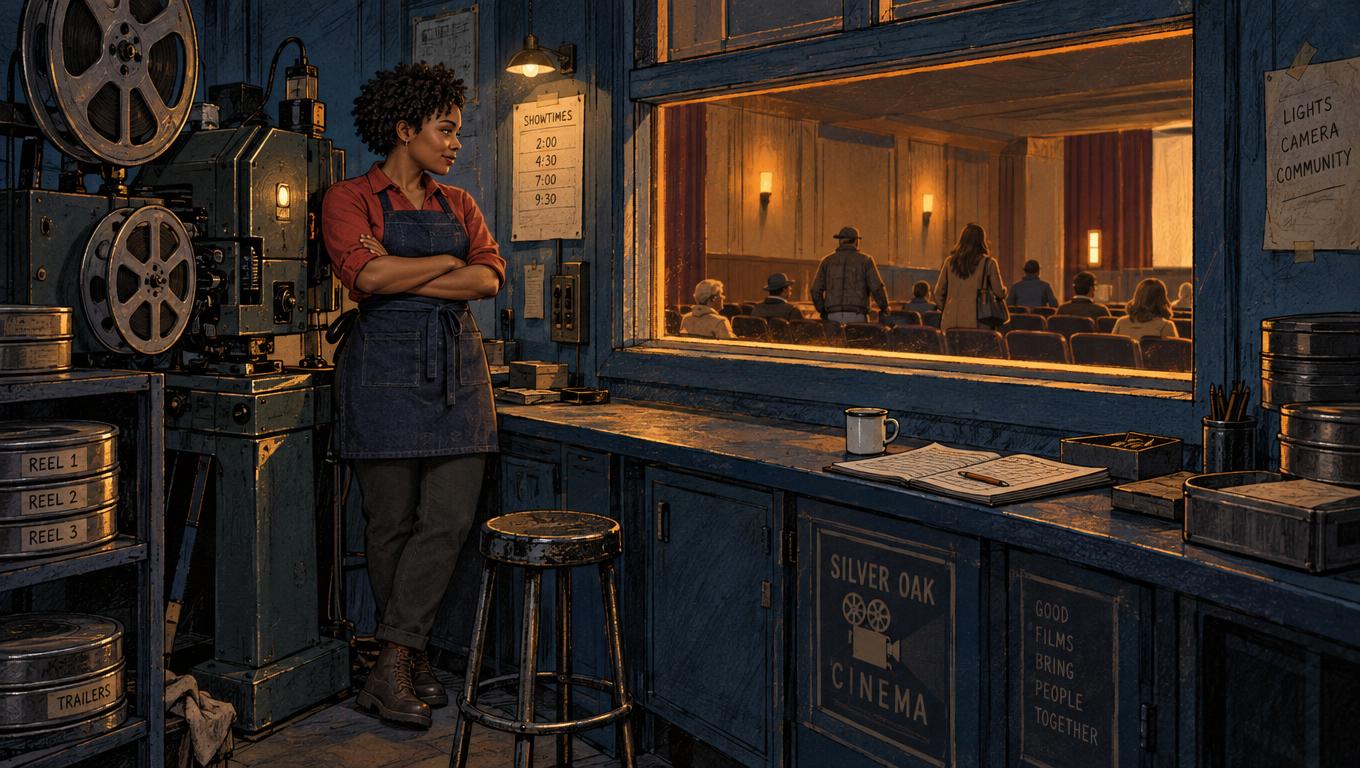
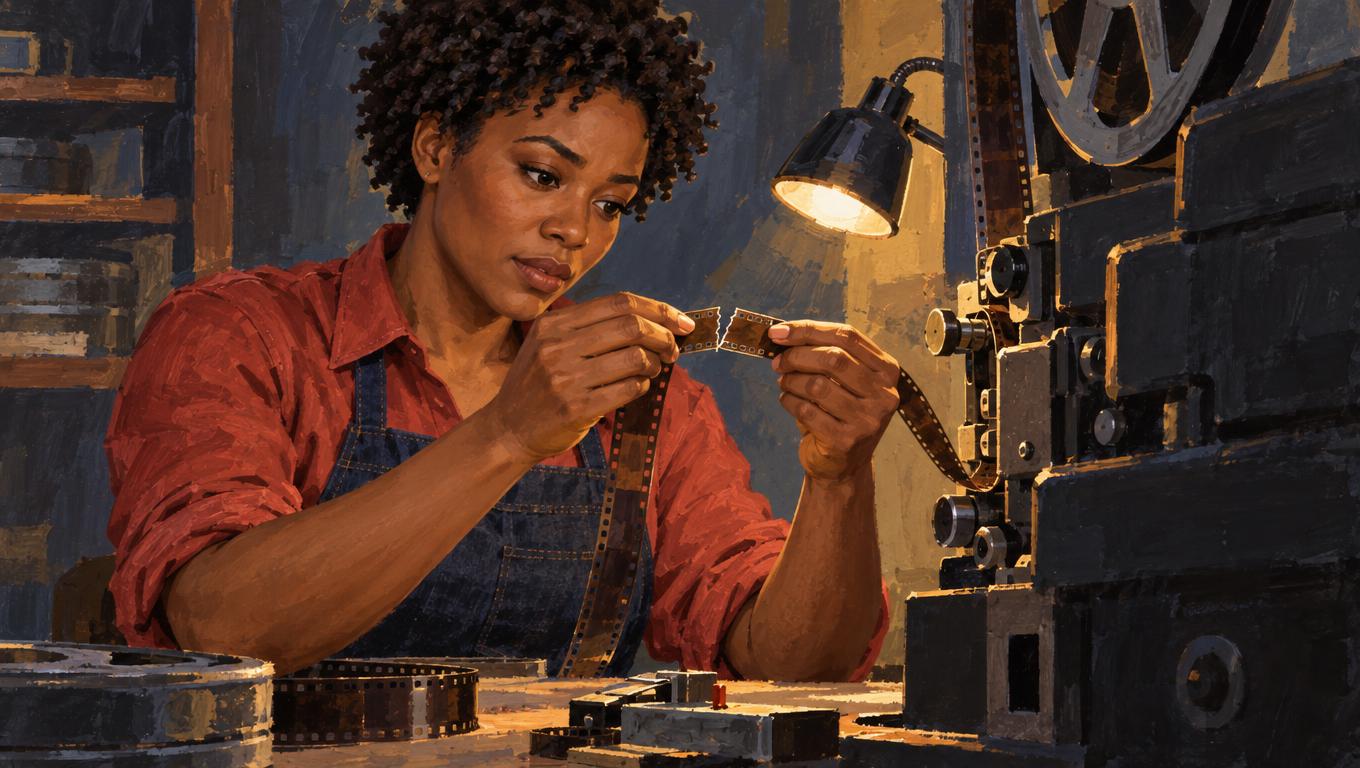
The projectionist has damaged the print herself while preparing it. She notices torn sprocket holes in a section approaching the projector’s gate: running that section risks a jam and further tearing. Stopping before it enters the mechanism could protect the footage from that particular damage, though the existing tear would still need attention.
Running the film might give the audience the shared moment she wanted and spare her an immediate admission. But she would be risking the footage in order to show it. Stopping offers a chance to preserve what remains, at the cost of canceling the event and telling the organizer what she did. Her job may be at risk, but that is a possible later consequence; the failed screening and exposed mistake are immediate.
Those costs matter because they belong to the same desire. She wants the film to survive, but she also wants people to see her mother. The story becomes more than an equipment failure when protecting one part of that desire means sacrificing the other.
Show the hesitation, not only the result
In one possible version of the hypothetical film, the projectionist starts the machine, sees the tear approaching and stops. She admits the damage; the organizer cancels the screening. The audience leaves without seeing her mother on screen.
The turning point could play like this in a script-linked storyboard workflow:
INT. PROJECTION BOOTH
>
The film runs through the projector. On the feed reel, a short section of torn sprocket holes turns toward the gate.
>
The projectionist reaches for the switch. She looks through the booth window at the seated audience. Her hand stays where it is.
>
The organizer appears in the doorway.
>
ORGANIZER: Is it ready?
>
PROJECTIONIST: How long can you keep them waiting?
>
The damaged section comes closer. She switches off the projector.
>
ORGANIZER: What happened?
>
PROJECTIONIST: I tore the print getting it ready. We can’t run it like this.
>
The organizer looks through the window, then heads downstairs. The projectionist watches the organizer walk to the front of the auditorium. The screen stays blank.
Her question about the waiting audience gives her a moment to avoid saying what she has done. It also suggests she is still looking for a way to keep the screening alive. The admission that follows makes the situation clear without requiring her to explain her feelings.
That restraint has a tradeoff. If the film has not already established her connection to her mother and the importance of the screening, the pause and the blank screen may read as a routine professional disappointment. The final image gains meaning from what the audience knows was meant to appear there.
The next draft therefore needs more than a line explaining that her mother is in the film. It needs to make the anticipated screening personal. An earlier beat might show the projectionist reserving a seat from which she can watch with the audience, rather than remain alone in the booth. That would give the cancellation a specific loss: she cannot have the shared experience she prepared for.
This is one possible setup, not a necessary addition; a different version might establish that longing through sound, dialogue or another action.
The alternative path would make a different film, a useful distinction when generating coverage for an AI film scene. If she runs the print, the writer must decide what actually happens as a result. The threat of damage creates suspense, but if the footage survives untouched and she pays no other cost, the choice has not yet delivered the consequence the premise promised.
A jam need not be automatic: an unexpected outcome can work if the scene finds another meaningful result of her decision.
Test the consequence before expanding the premise
For a premise proposed by an AI story generator, name the choice, its cost and the scene that could not happen without it. In this example, stopping protects the print from further damage in the projector but causes the cancellation. Her admission adds another cost: she takes responsibility rather than allowing the failure to remain unexplained.
Those connections give a writer something concrete to draft and revise scripts in screenwriting software. They do not prove the finished film will work. Performance, direction, editing and audience response could make the hesitation compelling or leave it opaque. The useful next step is to draft the turning point alongside the earlier beat that gives it emotional weight. If the choice is clear but its loss means little, strengthen the setup.
If the loss is clear but nothing the character does changes the outcome, reconsider the choice. That is a more revealing test of a generated premise than how polished its synopsis sounds.