A lost object is a situation, not yet a premise
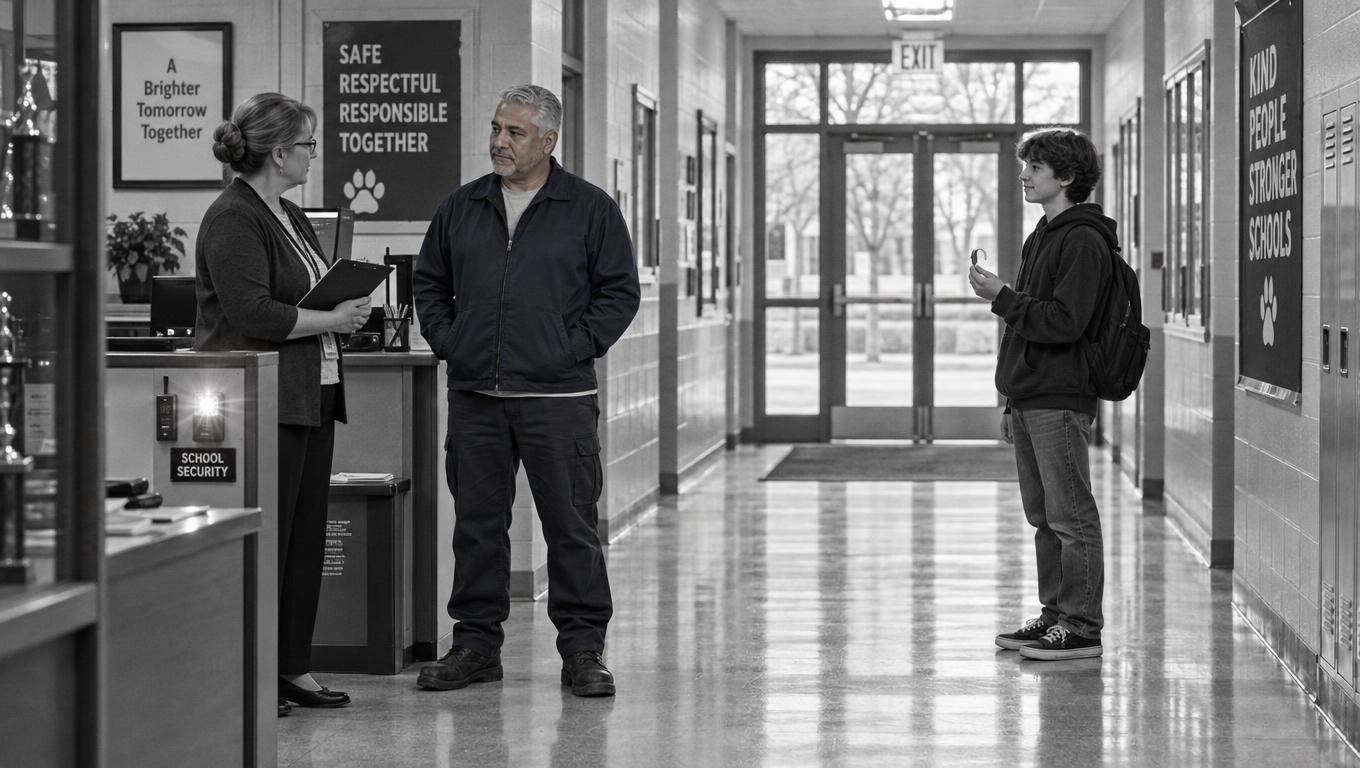
A school janitor finds a student’s lost hearing aid just before the last bus leaves. The situation suggests an immediate action: return it. It also carries an implied deadline. What it does not yet establish is why returning the aid would be difficult, or what the janitor might have to risk to do it.
That gap is where an AI story generator can be useful. It can offer different obstacles and decisions for the writer to examine. Its output, however, may sound like a story while supplying only a subject and a lesson. The writer still has to decide whether the idea gives a character something consequential to do on screen.

Give the generator a character and a constraint
Start with a shared situation so the results are comparable, but leave the source of conflict open. For example:
Suggest several short-film premises about a school janitor who finds a student’s lost hearing aid just before the last bus leaves. Give each premise a different obstacle, a consequential choice and actions an audience could see. Keep each suggestion brief rather than writing a complete plot.
The departing bus gives the suggestions a time limit without prescribing how the janitor should solve the problem. That matters: asking for a chase, an alarm and a particular ending might produce variations on a scene the writer has already decided to make.
This is an illustrative prompt. The variations below are editorial hypotheticals, not documented generator output.
Story-generation products describe several ways to develop material. Talefy presents prompting, revision and alternate versions as part of its approach. A 2023, affiliate-oriented roundup from EntreResource discusses idea generation alongside concerns about originality and creative limits. Neither is a study of short-film premises or a test of dramatic quality.
Laterpress’s guide distinguishes one-shot, interactive and scene-by-scene approaches, while recommending that writers retain creative control; it focuses mainly on fiction and also promotes Laterpress.
Test the ideas for goal, obstacle, choice and action
Four elements make a useful first filter: a goal the character can pursue, a concrete obstacle, a consequential choice, and visible action that carries the choice on screen. They are craft criteria, not a score for the generator. Variation 1: A lesson without a story. “The janitor finds a lost object and learns the importance of kindness.” Kindness is a possible theme, but the object and goal are unspecified.
There is no obstacle, consequential choice or filmable sequence beyond finding something. Reject this as a premise, while keeping it as raw material: the hearing aid and departing bus can give the same general idea a particular pursuit.
Variation 2: An action without a meaningful choice. The janitor finds the hearing aid, sees the student waiting by the bus and hands it over before departure. The goal and visible action are clear, but nothing complicates the handoff. A brief, gentle exchange might still serve a larger film; on its own, this premise needs another source of interest. Investigate rather than assuming the deadline supplies conflict.
Variation 3: A helpful act with a professional risk. The janitor finds the hearing aid while assigned to remain at the front desk. In this invented situation, leaving the desk triggers an alarm that may lead to an incident report. The last bus is about to depart, and the janitor cannot immediately reach the student from the desk. Returning the aid now means accepting the alarm and the possible report; staying avoids that risk but lets the bus leave without it.
The janitor’s departure from the desk is visible action that makes the choice legible.
Keep the third variation for development, not because it guarantees a good film, but because the goal and obstacle point toward a decision. The alarm is a condition invented for this story, not a claim about how schools normally operate.

Check the choice against easier alternatives
The alarm premise only works if the audience understands why the janitor cannot return the aid without triggering it. Could they call the bus, ask someone else to deliver it, or signal the student from the desk? If an alternative is available, the character can try it. If it fails or is unavailable, the film needs to establish that fact rather than quietly pretending the option does not exist.
For instance, the desk phone might be out of service, the corridor empty and the bus out of sight from the desk. Those conditions are possible story choices, but piling on convenient failures can make the scene feel engineered. A writer who cannot make the limits feel credible should consider a different obstacle. Perhaps the janitor can reach the student but must choose between returning the aid and completing another urgent duty.
The best constraint is the one that reveals the character, not necessarily the most elaborate one.
Also examine coincidences and hidden goals. If a crucial obstacle appears at exactly the right moment without a convincing setup, investigate it before keeping the premise. If the janitor’s real reason for acting is concealed, the audience may see an unexplained departure rather than a choice; the film needs to give them enough information to follow it. One location and a deadline can contain a short film neatly, but neither guarantees drama. Nor does an abstract lesson such as kindness.
Sketch the decisive moment
A scene test can reveal whether the premise communicates without a paragraph of explanation. In this hypothetical version, the janitor finds the hearing aid beneath the front-desk counter and sees a student’s name on its case. A notice at the desk identifies the last bus’s departure time. The janitor tries the phone; it does not work. The corridor is empty, and the bus cannot be seen from the desk.
The janitor looks at the alarm indicator, then at the hearing aid. They leave the desk. The alarm sounds as they hurry toward the exit. They reach the student before the bus departs; afterward, the janitor returns to find a supervisor waiting beside the still-flashing indicator.
The supervisor’s presence gives the decision an immediate, visible cost without claiming that an incident report is inevitable. The scene would still need careful setup: the audience must understand the desk restriction before the janitor crosses it, and the failed alternatives should feel like part of the school rather than obstacles placed there by the writer.
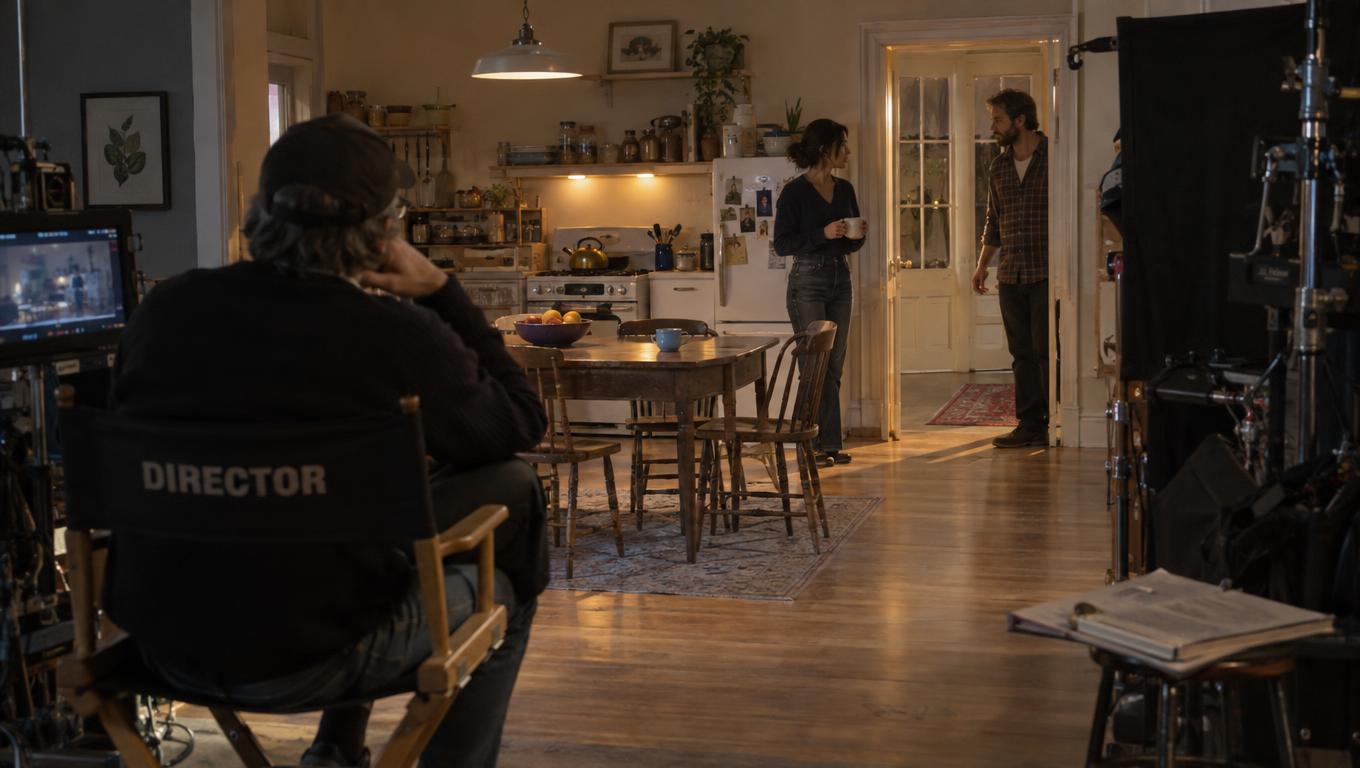
Before drafting the full script, sketch the strongest candidate’s moment of choice. Notes on writing for storyboards can help test what the audience will actually see. If the action only makes sense after an explanation of the intended theme, reconsider the premise—or choose a different constraint.