A beautiful image can still miss the shot
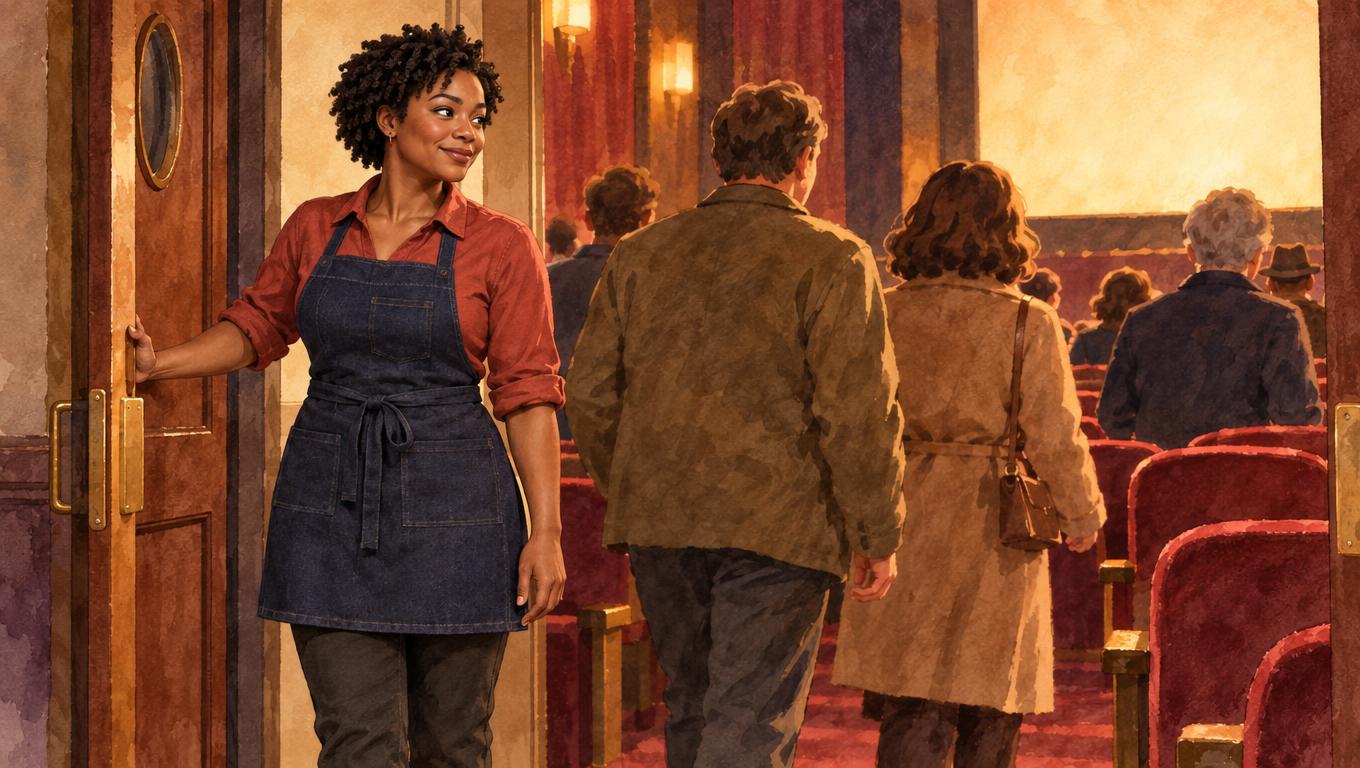
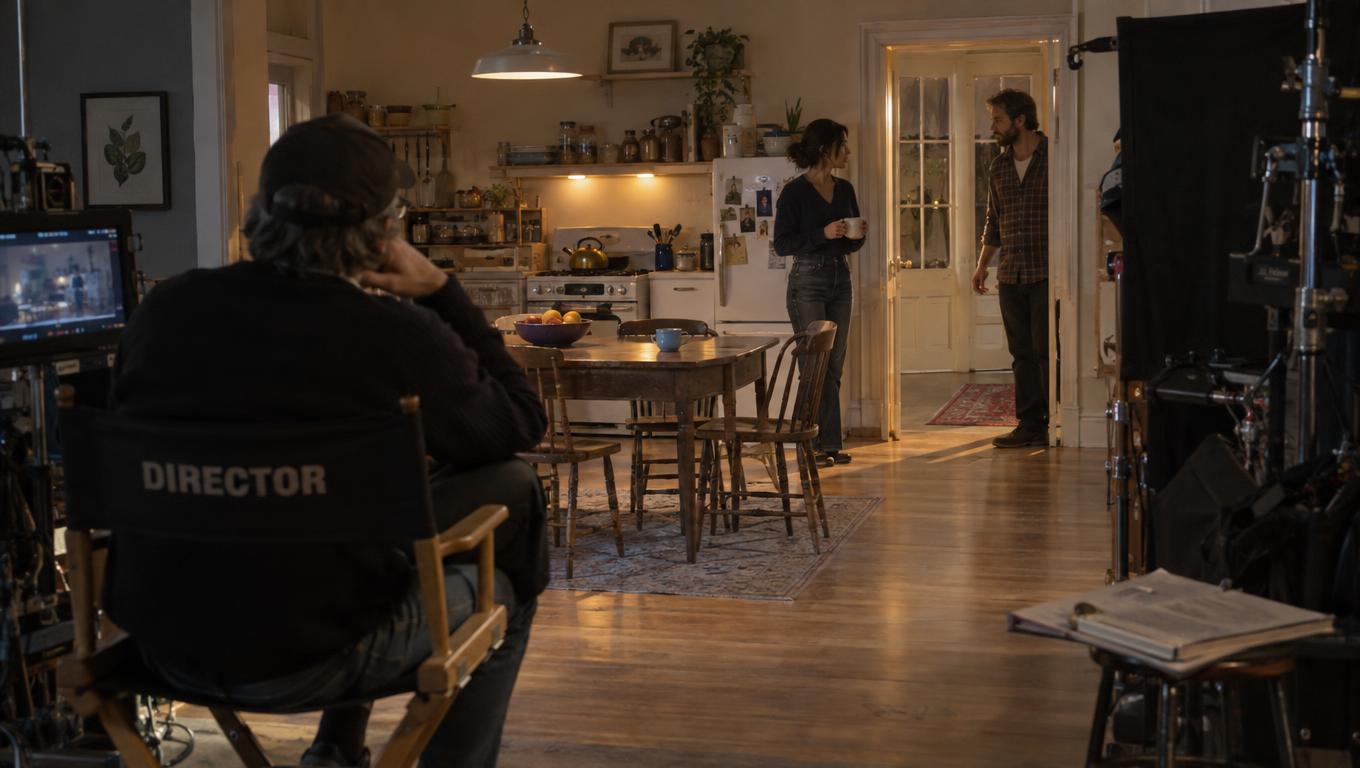
An AI image generator can produce a striking frame that tells the production team very little about the scene. The architecture may be lavish and the shadows atmospheric, but if the composition hides where a character stands or leaves no legible space for an entrance, the image may steer the design conversation away from the intended shot.
A useful concept frame makes a visual choice legible. It might show how much space surrounds a performer, where attention should fall, or how light changes the feeling of a location.
Different frames can serve different decisions: a palette reference need not resolve blocking, while an image used to discuss staging needs readable spatial relationships. A single frame is not a storyboard, and an appealing image does not guarantee that its lighting, set or camera position can be reproduced.
The following is a hypothetical comparison framework, not a ranking or a report of completed tests. It asks what an initial frame communicates, what survives a lighting revision, and whether a supplied reference appears to contribute a particular architectural detail.
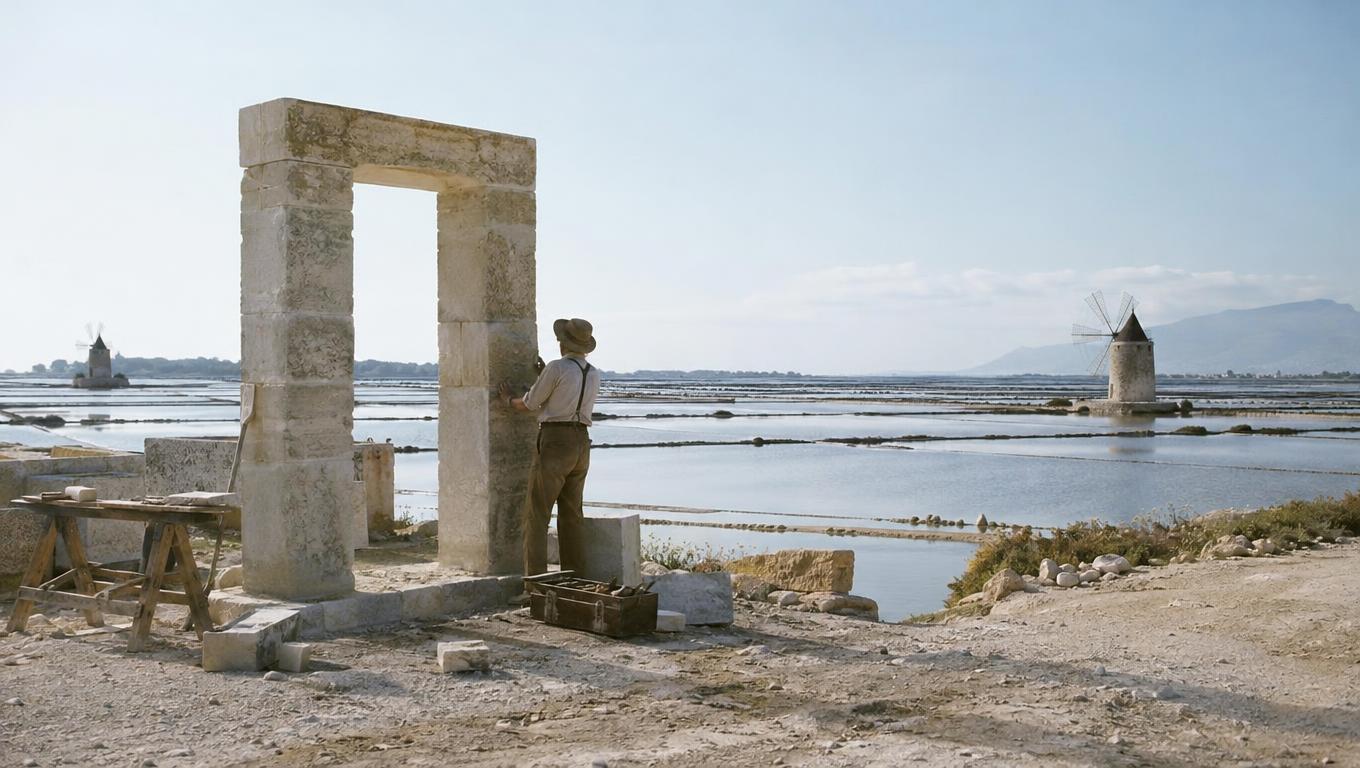
Give each generator the same brief and attempt budget
Imagine a scene in which one figure stands in a doorway while space remains for a second character to enter from frame right. Use this written prompt for each generator:
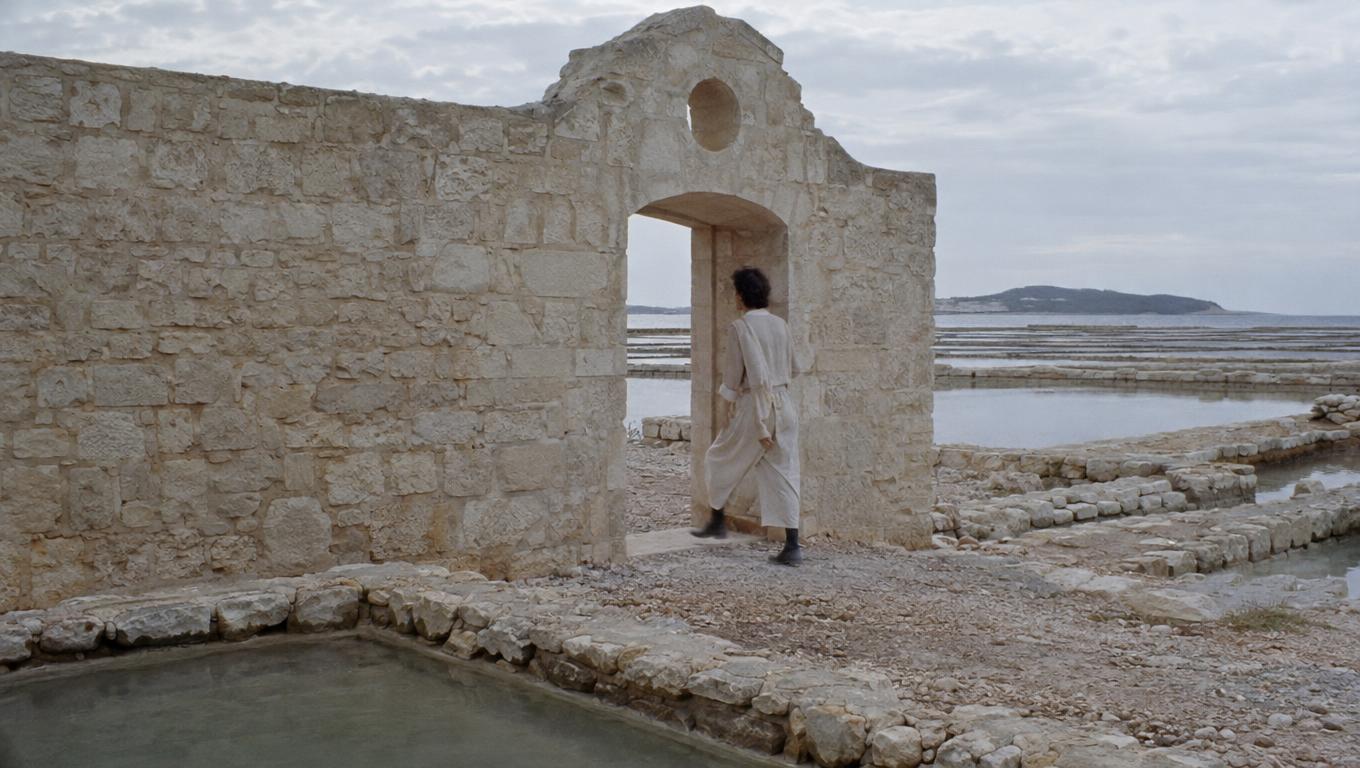
View from inside a room toward a tall, narrow doorway with straight vertical sides and a shallow arch. The doorway has a thick, pale stone surround and a small circular inset centered above the arch. One figure stands in the doorway. Leave the floor and wall on the right side of the frame visible, with a clear route for a second character to enter from frame right; the second character is not yet in the image. Warm light from camera left illuminates the figure and part of the room.
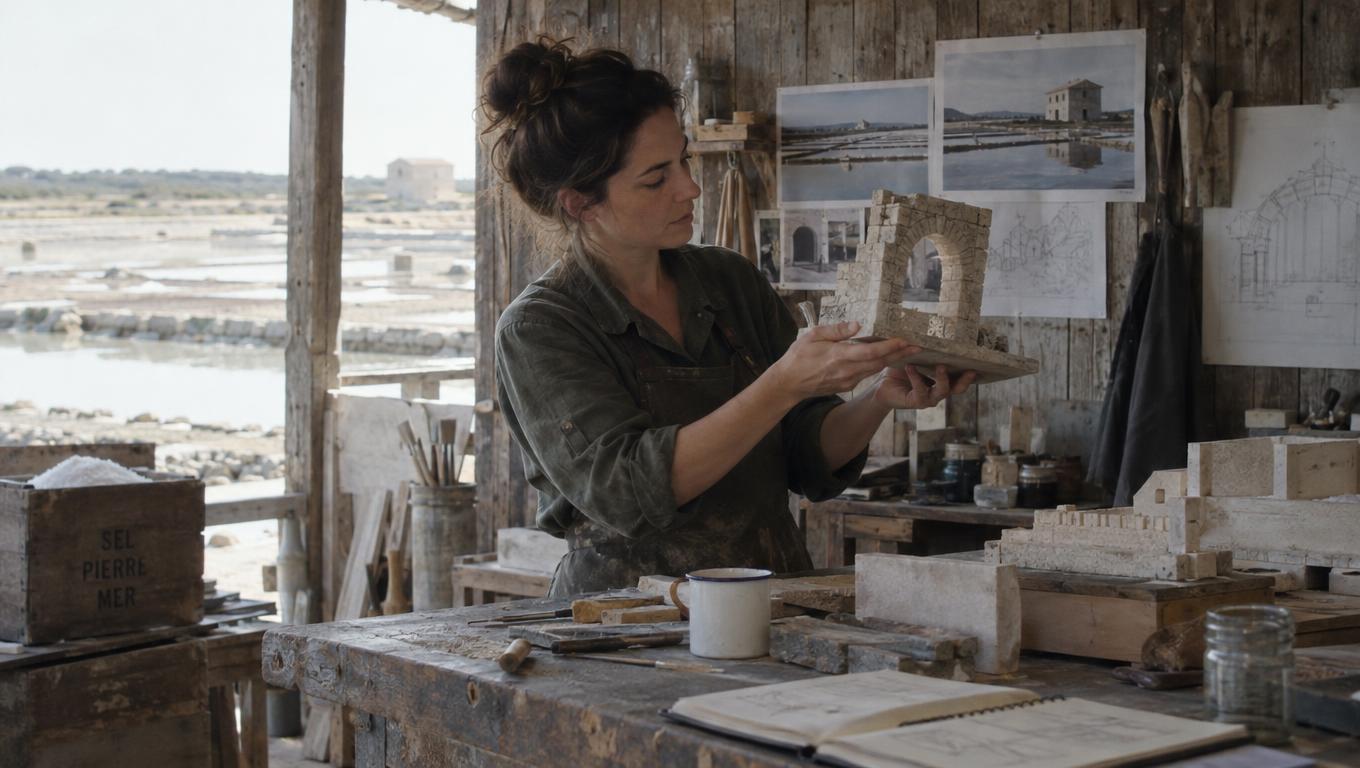
Choose a reference image with those same doorway features: tall, narrow proportions, a shallow arch, a thick pale surround and a circular inset above it. The reference is there to guide the opening’s geometry and details, not to dictate the palette or figure placement. Its more specific combination of features gives the comparison something more useful to assess than a generic arch alone. Use an image you have permission to submit, and save the exact file with the test notes.
Before starting, check each tool’s current access, generation and reference limits, editing options, and relevant usage terms, especially for commercial work. Use the same prompt and reference wherever the controls allow, with a consistent aspect ratio if possible.
Set a fixed number of candidates per tool in advance and save them all. A tool given a larger batch has more chances to produce a frame that satisfies the brief. Equal candidate counts do not make the conditions identical. One tool may offer a reference-strength control; another may have no equivalent setting or may not support an image reference at all. Note the tool and model or version, date, plan limits, prompt, reference, settings and attempts, including any interface-specific changes.
Those details help distinguish the result from the conditions under which it was produced.
Judge what the still makes legible
The doorway brief is primarily a staging proposition. The figure should be easy to locate in relation to the opening, and enough of the room should be visible to suggest an entrance from frame right. A patch of empty darkness may create negative space without showing whether that space belongs to the room or connects to the figure’s position.
The doorway itself should read as an opening rather than a decorative shape behind the figure. If the figure fills it completely, or the camera angle hides its edges, the frame leaves the director and designer guessing about the proposed placement. Architectural detail cannot compensate for geography that the image does not communicate.
The light is a separate question. The initial brief calls for warm light from camera left, falling on the figure and part of the room.
Illuminated surfaces and shadows may suggest that direction; a uniform amber wash may communicate warmth without showing where the light comes from. If the lighting swallows the figure or entry space, the frame may be useful for mood but weak for this staging discussion. Even a clear still only suggests a route. It cannot establish that the entrance works through movement or in a buildable space.
Subsequent storyboards, a plan or a blocking test can help resolve those questions over time and in three dimensions.
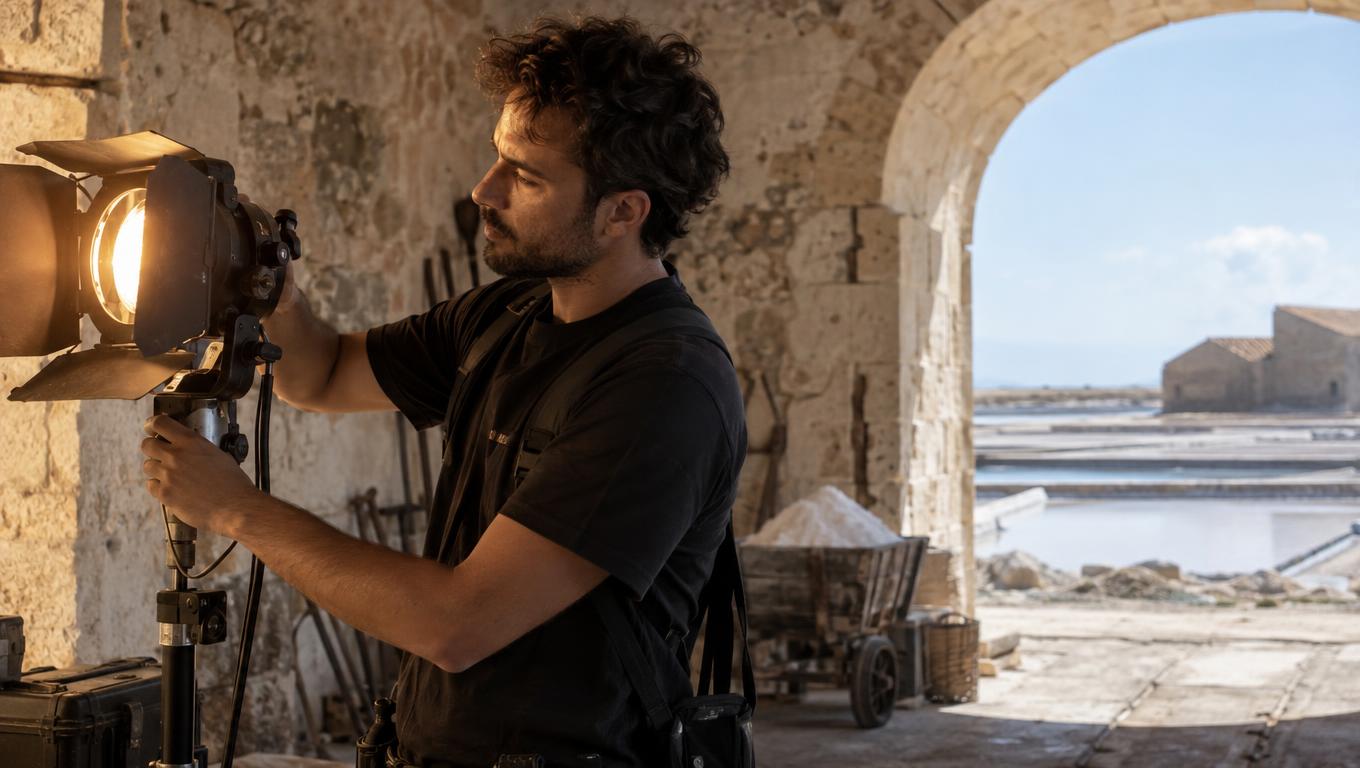
Test a lighting change without giving a tool extra chances
Decide how to select the revision source before generating candidates. For each tool, use the first frame within the fixed attempt budget that meets three staging criteria: the figure is visibly in the doorway, enough of the opening is visible to read it as a doorway, and the floor and wall at frame right suggest a clear entrance. If no candidate qualifies, record that outcome rather than silently generating more. That tool has no revision source under this test, which is itself useful information.
Ask for the same change to each selected frame: replace the warm camera-left light with cool light positioned beyond the doorway, behind the figure relative to the camera. Keep the doorway and figure in place, and retain the clear entry space at frame right. Set a fixed revision attempt budget as well.
The comparison has two parts. First, does the result suggest light coming through the opening from behind the figure? A brighter doorway or rim light around the figure may communicate that direction; a cooler color grade alone does not. Second, what happened to the staging? Backlight may create a strong silhouette while making the figure or entry space harder to read. The doorway may shift, or furniture may appear in the previously clear area.
A minor wall change may be acceptable; a blocked entrance changes the condition the revision was meant to preserve.
Revision methods also matter. Editing an existing image and generating a new image from the original as a reference are different tests. The latter shows how closely a new generation can retain the staging, not necessarily how precisely the original can be edited. Save each starting frame with its revisions and note the method, controls and attempts used.
Separate the reference’s contribution from the prompt
To investigate the visual reference library, generate another set without it, using the exact same written prompt—including the doorway’s proportions, surround and circular inset. Use the same candidate budget and comparable settings, noting anything that must change when the reference is removed. A tool without image-reference support can still produce a text-only set, but cannot take part in this particular within-tool comparison.
The question is not simply whether an arch appears. The prompt asks for one. Examine the combination of observable features: the opening’s relative height and width, the shallow curve, the thickness and color of the surround, and the inset’s position above the arch. A similar palette or architectural mood is not evidence that the intended doorway details carried through.
Small sets can suggest a pattern, but they cannot establish a reliable effect or prove that the reference caused a particular match. The wording already describes the features, and candidates vary. The comparison is most useful when treated as a reason to investigate further, rather than a definitive performance claim.
The reference may also introduce unwanted changes. A frame might echo the surround and inset while copying nearby features that crowd the entrance, for example. In that case, a looser architectural match that preserves the intended space may be more useful than a closer one. The relevant tradeoff is between the detail the reference was chosen to supply and the rest of the scene it needs to support.
Choose for the decision, then test the change
A frame that makes the entrance legible may be the strongest choice for a staging discussion, even if another has more convincing textures. For a lighting conversation, spatial precision may matter less than a clear expression of direction and contrast. Neither result should be treated as resolving what the image cannot show.
Choose the frame for the visual decision at hand, then review and revise AI film work against the conditions it was supposed to preserve. That reveals more about a generator’s usefulness for the shot than the beauty of its strongest image alone.